
The Tesla Odometer Lawsuit: Allegations of Algorithmic Mileage Inflation
In early 2025 and moving into 2026, a new legal front opened up against the world’s leading electric vehicle manufacturer. The Tesla Odometer Lawsuit (Hinton v. Tesla Inc.) alleges that the company has transitioned from traditional mechanical mileage tracking to a software-driven “predictive” system that artificially inflates vehicle mileage. This class action, filed in California, argues that Tesla knowingly manipulates odometer readings to accelerate warranty expirations and force consumers into expensive out-of-pocket repairs or extended warranty purchases.
The Core Allegation: Predictive Algorithms vs. Physical Distance
Unlike traditional vehicles that measure distance based on physical tire rotations, the lawsuit alleges that Tesla’s odometers rely on a complex suite of software inputs. According to the complaint, Tesla uses “predictive algorithms, energy consumption metrics, and driver behavior multipliers” to calculate distance. The plaintiffs argue that this method allows for a “dynamic” conversion factor that can be adjusted via over-the-air (OTA) updates.
The lead plaintiff, Nyree Hinton, a California-based data analyst, provided a striking example of this discrepancy. After purchasing a used 2020 Model Y with roughly 36,000 miles, Hinton noticed his odometer was logging significantly more distance than his actual daily commute. For a 20-mile round trip, the vehicle allegedly recorded upwards of 70 miles. This resulted in the 50,000-mile Basic Vehicle Limited Warranty expiring in just 18 months, leaving the owner with a $10,000 bill for suspension repairs that should have been covered. This pattern of administrative “traps” is similar to the transparency issues cited in the JustFab VIP membership lawsuit.
2026 Legal Update: Tesla’s Motion to Dismiss
As of March 2026, the case has entered a critical phase. On February 19, 2026, Tesla filed a comprehensive motion to dismiss the lawsuit in a U.S. federal court in Los Angeles. Tesla’s legal team argues that the claims are “speculative and unsupported,” asserting that their odometers function within industry standards. Tesla also pointed to a joint vehicle inspection conducted during the discovery phase, which supposedly showed that independent mileage measurements were within a fraction of a percent of the displayed odometer reading.
Tesla further argued that the plaintiffs failed to prove they were actually denied warranty coverage for qualifying defects. The automaker claims the plaintiffs’ theory was initially tied to a specific Tesla patent that actually relates to trip planning and battery charging, rather than odometer calculations. This technical defense mirrors the “functionality vs. intent” arguments often seen in complex corporate litigation, such as the Neil Young Chrome Hearts lawsuit.
The “Odometergate” Comparison
Legal analysts have begun referring to the case as “Odometergate,” comparing it to the Volkswagen “Dieselgate” scandal. The allegation is that Tesla isn’t just misrepresenting a single data point, but is fundamentally altering the “contractual clock” of the vehicle. If the court finds that Tesla systematically inflated mileage, it could impact over 1.3 million vehicles in California alone. The financial implications are staggering: every 1,000 “phantom miles” could potentially save the company hundreds of dollars in warranty obligations while reducing the vehicle’s resale value.
Impact on Consumer Trust and Resale Value
The Tesla Odometer Lawsuit has wider implications for the used EV market. If odometer readings cannot be trusted, the secondary market for Teslas could crater. Consumers rely on mileage as the primary indicator of battery health and mechanical wear. Discrepancies of up to 117%, as alleged in the Hinton case, would make it nearly impossible for buyers to accurately value a vehicle. This struggle for accurate information and “right to repair” is a recurring theme in modern litigation, much like the disputes explored in the Colorado ICE subpoenas lawsuit, where data control is at the heart of the conflict.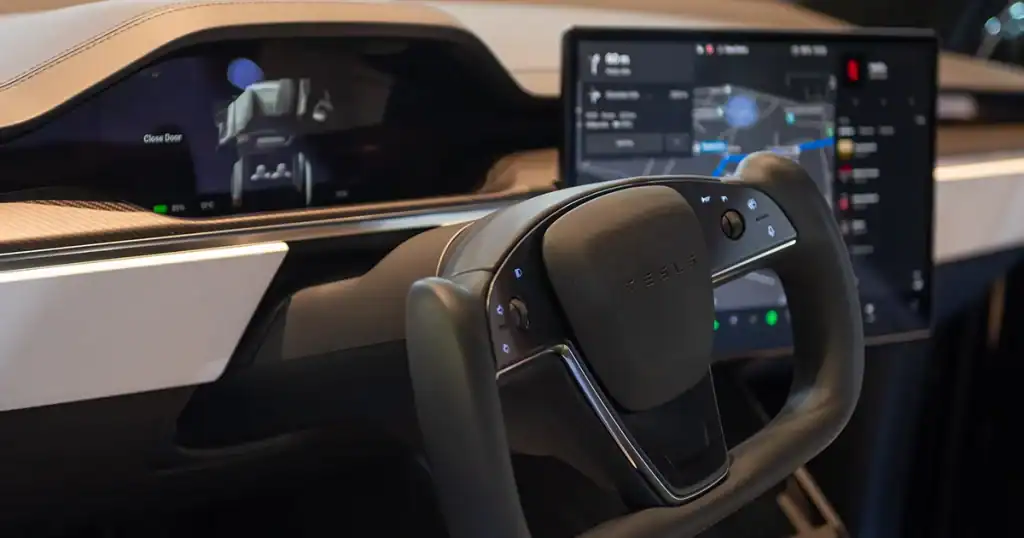
What Should Tesla Owners Do?
While the lawsuit is currently focused on California residents, owners across the country are encouraged to monitor their mileage accumulation. Steps for concerned owners include:
- GPS Comparison: Periodically check your vehicle’s odometer against a third-party GPS app (like Google Maps) on a known route.
- Document Service Visits: Keep meticulous records of your mileage at the beginning and end of every service visit.
- Monitor OTA Updates: Take note of any significant shifts in mileage accumulation following a software update.
Conclusion
The Tesla Odometer Lawsuit represents a pivotal moment for the oversight of “software-defined vehicles.” As cars become increasingly reliant on code rather than gears, the legal system must determine how to verify the data these machines produce. Whether the court dismisses the case or allows it to proceed to a jury trial, the transparency of Tesla’s internal algorithms is now under the microscope. For now, millions of owners are left wondering if their “mileage” is a measurement of distance or merely a calculation designed to favor the manufacturer’s bottom line.