As of March 2026, the legal clouds surrounding the Sanders family have darkened following a series of significant setbacks in federal bankruptcy court. While Colorado head coach Deion “Coach Prime” Sanders has historically dismissed the litigation involving his middle son, Shilo Sanders, as “bull-junk” and a “distraction,” recent judicial rulings suggest the matter is far more serious than the family’s public relations strategy admits. The case, which stems from a decade-old high school incident, has now evolved into a high-stakes battle over Name, Image, and Likeness (NIL) transparency and the limits of bankruptcy protection.
The litigation traces back to a 2015 altercation at Triple A Academy in Dallas, where Shilo, then 15, allegedly assaulted security guard John Darjean. Darjean claimed the incident left him with permanent neurological injuries and spinal damage. After Shilo failed to appear for the 2022 trial, a Texas court entered a staggering $11.89 million default judgment against him. In an effort to wipe away this debt, Shilo filed for Chapter 7 bankruptcy in October 2023—a move that has now put his entire professional and financial future under a federal microscope.
March 2026 Ruling: Judge Rejects Motion to Dismiss
On March 4, 2026, U.S. Bankruptcy Judge Michael Romero dealt a major blow to the Sanders defense. The judge denied Shilo’s motion to dismiss a complaint filed by the bankruptcy trustee, David Wadsworth. The trustee alleges that Shilo violated bankruptcy law by failing to disclose or properly handle approximately $250,000 in unauthorized transfers. These funds are reportedly tied to Shilo’s business entities, “Big 21” and “Headache Gang,” which the trustee argues were used to shield NIL earnings from creditors.
Judge Romero’s ruling means the case will now proceed toward a potential trial regarding these “missing” assets. The court found that the trustee presented sufficient evidence that Shilo maintained control over these accounts and that the timing of the deposits—some of which occurred shortly before or after the bankruptcy filing—requires a full evidentiary hearing. This ruling directly contradicts Deion Sanders’ April 2025 assertion that his son had “fulfilled all his financial obligations.”
The “Willful and Malicious” Trial: August 31, 2026
While the trustee’s lawsuit over NIL transfers is a significant hurdle, the most pivotal date on the 2026 calendar is August 31, 2026. This is the scheduled start date for the trial that will determine if Shilo’s $11.89 million debt to John Darjean can be discharged at all. Under Section 523(a)(6) of the Bankruptcy Code, debts arising from “willful and malicious injury” are non-dischargeable.
Darjean’s legal team is expected to present evidence that the 2015 assault was not an accident or self-defense, but a deliberate act of violence. If the judge agrees, the $12 million debt will remain attached to Shilo for life, regardless of the bankruptcy filing. This “all-or-nothing” trial represents a massive risk for Shilo, who has already seen his NFL prospects waver following his release from the Tampa Bay Buccaneers in late 2025. Much like the Ford dealership sale lawsuit, this case highlights how internal communications and prior depositions—including one where Deion reportedly admitted to the assault—can come back to haunt defendants years later.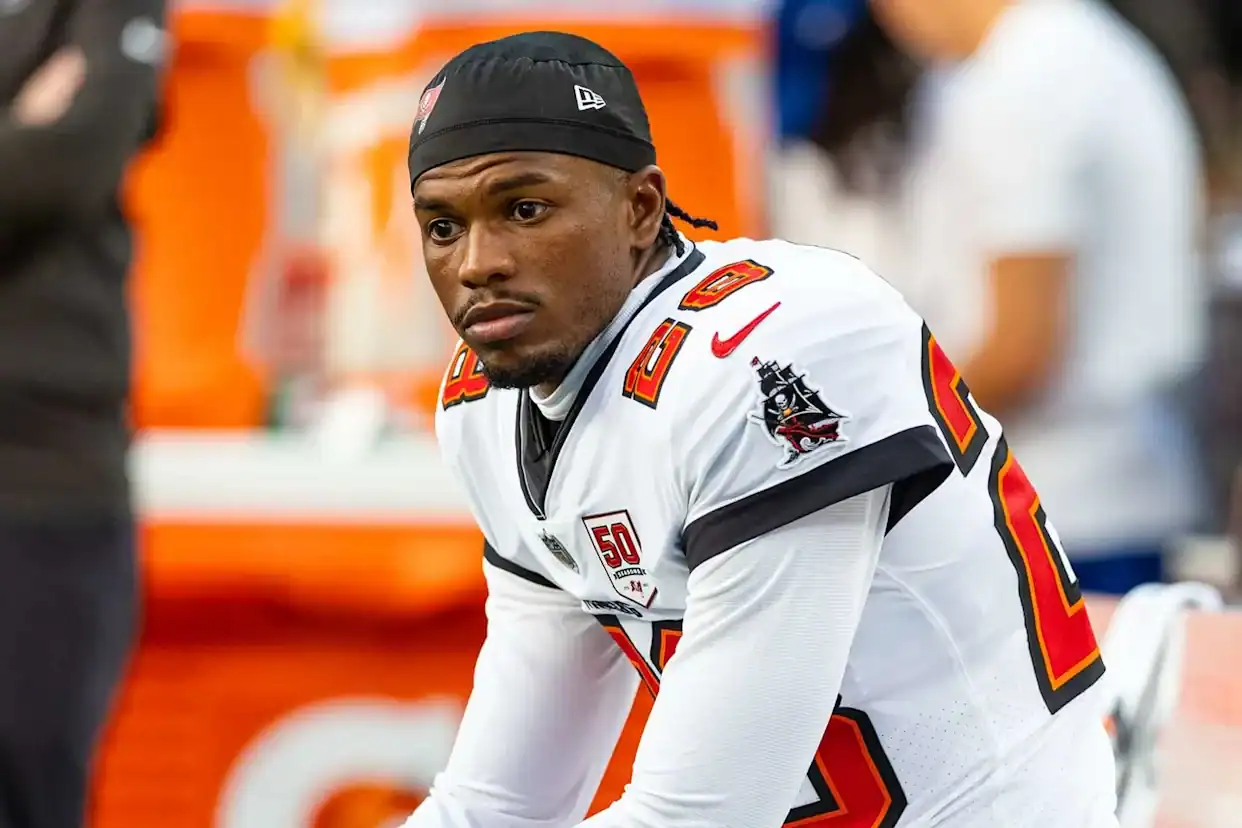
Deion Sanders’ Changing Rhetoric: From Dismissal to “Plans”
The elder Sanders’ public comments have shifted as the legal pressure has mounted. In mid-2024, Coach Prime was famously combative with reporters, asking if they “knew Shilo won” before shutting down questions. By early 2026, the tone has become more somber. Following Shilo’s release from the NFL and the most recent court losses, Deion told the media that while the family is “praying” for a new football opportunity, they have already “put forward plans” for what Shilo will do if his playing days are over.
“Shilo is a man of many talents, and he’s gonna be straight,” Deion stated in a recent press conference. “All the Sanders are gonna be straight, with or without football.” However, legal analysts suggest that “being straight” may be difficult if the court finds Shilo hid assets. If the bankruptcy court determines that Shilo intentionally concealed NIL income from Oikos, KFC, or other sponsors, he could face not just civil penalties, but potential criminal referrals for bankruptcy fraud—a far cry from the “bull-junk” narrative initially pushed by the family.
Transparency vs. Privacy: The Fight Over Financial Records
Another layer of the 2026 legal drama involves Shilo’s attempt to keep his financial records private. In 2025, Judge Romero granted a limited protective order to prevent Shilo’s bank statements from being leaked on social media. Shilo’s attorneys argued that public exposure would “fuel negative narratives” and hurt his ability to secure future endorsements. However, the judge was notably skeptical, reminding Shilo that he chose to enter bankruptcy court—a public forum—to seek relief from his debts.
This struggle for privacy mirrors the Google Android data privacy settlements, where the core of the dispute was the unauthorized use and concealment of information. In Shilo’s case, the “unauthorized use” refers to his alleged funneling of NIL wealth into private accounts while claiming to have fewer than $325,000 in total assets to his name.
Conclusion: The High Cost of the “Default” Strategy
As of March 11, 2026, Shilo Sanders remains a free agent in football but a primary target in the courtroom. The $11.89 million judgment, which began as a missed court date in 2022, has now grown into a legal hydra that threatens the entire Sanders brand. For the legal team at K. Hoffman Law, this case serves as a powerful example of why ignoring a lawsuit—the “default” strategy—is often the most expensive mistake a defendant can make. Whether Shilo can find a “fresh start” or remains under the weight of an $11 million shadow will be decided on the witness stand this August.