The intersection of celebrity influence and intellectual property rights has rarely been as contentious as it is in the spring of 2026. Florida-based poet and artist Kimberly Marasco has continued her persistent legal campaign against global pop icon Taylor Swift, alleging that the singer-songwriter misappropriated creative elements from Marasco’s published poetry. As of March 11, 2026, the litigation—presided over by U.S. District Judge Aileen Cannon—has evolved from a small-claims dispute into a multi-million dollar federal battle over the albums Lover, Folklore, Midnights, and The Tortured Poets Department.
For legal observers, the Kimberly Marasco Taylor Swift lawsuit is a masterclass in the complexities of copyright infringement and the high burden of proof required when a “pro se” plaintiff (one representing themselves) challenges a corporate entity. While Swift’s legal team has labeled the claims as “absurd and legally baseless,” the survival of Marasco’s second amended complaint into 2026 suggests that the court is giving the allegations a thorough, if skeptical, review.
Procedural History: From Technical Dismissal to Refiling
The legal saga began in April 2024 when Marasco first filed suit against Taylor Swift Productions, Inc. That initial case faced immediate procedural hurdles. In late 2024 and early 2025, Judge Cannon dismissed several of the claims “without prejudice” because Marasco struggled to properly serve the lawsuit to Swift, who was traveling globally for the record-breaking Eras Tour. Swift’s attorneys argued that the process servers were unable to gain access to the singer’s various properties, leading to a temporary win for the defense.
However, Marasco proved resilient, filing a second lawsuit in February 2025 (Case 2:25-cv-14067). This new filing expanded the list of defendants to include Universal Music Group (UMG), Republic Records, and prominent collaborators Jack Antonoff and Aaron Dessner. By October 2025, Marasco submitted a second amended complaint, significantly increasing her damages demand from $7 million to a staggering $25 million to $30 million, depending on the specific counts of “disgorgement” requested.
The Core Allegations: Poetry vs. Lyrics
Marasco’s lawsuit identifies over a dozen songs where she believes her copyrighted poems—published in her books Dealing With A Chronic Illness (2017) and Fallen From Grace (2019)—were used without permission. Some of the specific claims in the 2026 filings include:
- “My Tears Ricochet”: Marasco alleges that lyrics referencing “screaming at the sky” mirror her poem “Beams of Light.”
- “The Tortured Poets Department”: The plaintiff argues that the introduction to Swift’s 2024 album “paraphrased” the introduction to her own book, Songs of the Unsung.
- Visuals and Choreography: Beyond lyrics, the suit claims Swift’s “Vigilante Shit” chair routine and elements of the “Cardigan” music video infringe on Marasco’s previous creative works.
In response, Swift’s legal team has maintained that the similarities involve “ubiquitous metaphors” and common words like “tears,” “yelling,” and “sky” that are not subject to copyright protection. This defense mirrors the logic seen in the Ford dealership sale lawsuit, where the courts must distinguish between a specific protected contract and general business interests.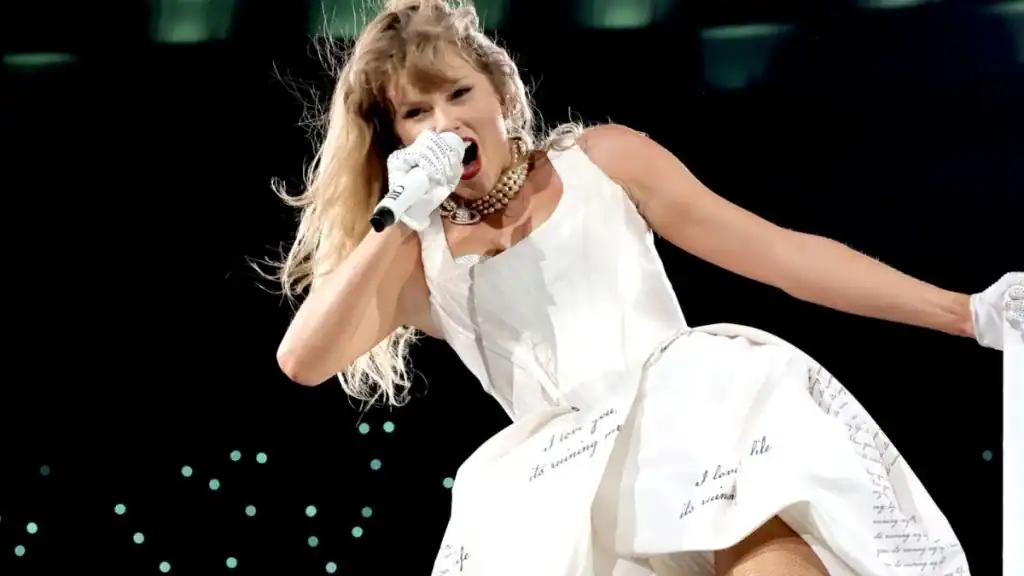
2026 Status: The Disney+ Injunction and Disgorgement
As of March 11, 2026, a major focal point of the litigation is Marasco’s motion for a preliminary injunction. In late 2025, Marasco attempted to halt the release of the Disney+ docuseries The End of an Era, arguing that the global broadcast of the infringing works would cause “irreparable harm” that monetary damages could not fix. While legal experts suggested the odds of blocking a global Disney+ launch were slim, the motion forced a detailed discussion on disgorgement of profits—a remedy where the defendant must turn over all revenue earned from the infringing material.
If Marasco were to succeed, the financial implications would be unprecedented, potentially reaching hundreds of millions of dollars given the commercial success of the albums in question. However, the legal standard for substantial similarity is rigorous. Much like the Shilo Sanders bankruptcy ruling, the court must look past the “media noise” and determine if there is a factual basis for the claim. In October 2025, Judge Cannon notably ruled that many of the words Marasco sought to protect were “common words” that are not copyrightable, a major blow to the plaintiff’s momentum heading into 2026.
Lessons for Independent Creators
The Kimberly Marasco Taylor Swift lawsuit serves as a cautionary tale for independent artists. While Marasco’s persistence has kept her in the federal system, her “pro se” status has led to numerous technical errors, including improper service of process and missed deadlines. For creators who believe their work has been misappropriated by a major brand or celebrity, the 2026 status of this case emphasizes two critical points:
- Registration is Key: Marasco’s ability to even bring the suit was predicated on her prior registration of her books with the U.S. Copyright Office.
- Expert Evidence Matters: Copyright cases often hinge on forensic musicology and linguistic analysis. Without an expert witness, proving “substantial similarity” against the best defense attorneys in the world is a near-impossible task.
Conclusion: Waiting for the 2026 Summary Judgment
As the case moves through the spring of 2026, the legal world is watching to see if Judge Cannon will allow the matter to proceed to a jury trial or if it will be dismissed via summary judgment. For Taylor Swift, the lawsuit is another chapter in a career defined by high-stakes legal defense. For Kimberly Marasco, it is a fight for the sanctity of her creative voice. For the team at K. Hoffman Law, this case remains a fascinating study in the “all-or-nothing” nature of intellectual property litigation. Regardless of the outcome, the 2026 ruling will likely redefine how “inspiration” is defined in the age of global pop dominance.