
As of March 11, 2026, the Procter & Gamble Company (P&G) remains embroiled in a series of intensifying legal battles over the safety and labeling of its Tampax brand. Following a landmark 2024 study that identified trace amounts of 16 different metals in various tampon brands, the floodgates for litigation have opened. Between fresh federal filings in early 2026 and ongoing multidistrict discovery, consumers are asking one primary question: How do I file a Tampax lawsuit claim?
For the legal team at K. Hoffman Law, it is important to clarify that as of today, there is no global settlement or official claim form. These cases are currently in the litigation phase. Much like the Nationstar Mortgage litigation, which took years to reach a payout phase, the Tampax cases must first navigate class certification and potential jury trials before any restitution is available to the public.
The New 2026 “Lead Contamination” Filings
The most recent development in this saga occurred on January 28, 2026, when a new class action lawsuit (Otkina, et al. v. The Procter & Gamble Company) was filed in the U.S. District Court for the Northern District of Illinois. This suit alleges that Tampax Pearl tampons contain lead levels up to 40 times higher than the Environmental Protection Agency’s (EPA) action level for drinking water.
The plaintiffs in the 2026 filing argue that vaginal absorption allows neurotoxins like lead to enter the bloodstream directly, bypassing the liver’s metabolic filters. This case joins earlier 2024 and 2025 filings in California and Ohio (Barton v. P&G and Sanchez v. P&G), creating a nationwide push for corporate transparency. The common allegations across these 2026 updates include:
- Failure to Warn: P&G allegedly knew of the potential for heavy metal contamination but failed to disclose it on packaging.
- Premium Pricing Deception: Consumers argue they paid a “premium” for products marketed as safe and gynecologist-recommended that actually contained hazardous materials.
- Violation of Prop 65: In California-specific cases, the suits allege lead levels exceed the “Maximum Allowable Dose Level” (MADL) of 0.5 micrograms per day.
The Status of PFAS and “Pure Cotton” Claims
In addition to the heavy metal litigation, P&G is fighting claims regarding its Tampax Pure Cotton line. The lawsuit (Bounthon v. P&G) alleges that despite marketing the products as “100% Organic Cotton Core,” independent testing revealed the presence of per- and polyfluoroalkyl substances (PFAS), often called “forever chemicals.”
As of March 2026, this case remains active in California federal court. P&G has attempted to dismiss the claims, arguing that “total organic fluorine” testing is not a definitive surrogate for harmful PFAS. However, the court has allowed the plaintiffs to move forward with amended testing protocols, suggesting that this “false advertising” angle remains a significant threat to the brand’s “Pure” image, much like the Viz Media copyright enforcement protects the “purity” of intellectual property.
Is There a Tampax Settlement in 2026?
Currently, there is no open settlement for Tampax users. Beware of social media advertisements or third-party websites claiming they can help you “get your payout” immediately. Legitimate class action settlements follow a strict legal process:
- Class Certification: A judge must agree that the case can represent all Tampax buyers.
- Settlement Agreement: Both parties must agree on a dollar amount (or a jury must award it).
- Preliminary Approval: The court reviews the deal to ensure it is fair.
- Notice & Claims Period: Only after preliminary approval will an official website (e.g., www.TampaxSettlement.com) be launched to collect claim forms.
Based on the current 2026 court calendars, legal experts do not expect a settlement claim form to be available before late 2026 or mid-2027. This timeline is consistent with other major consumer fraud cases, such as the ongoing First Amendment employment suits, where the discovery phase often lasts 12 to 18 months.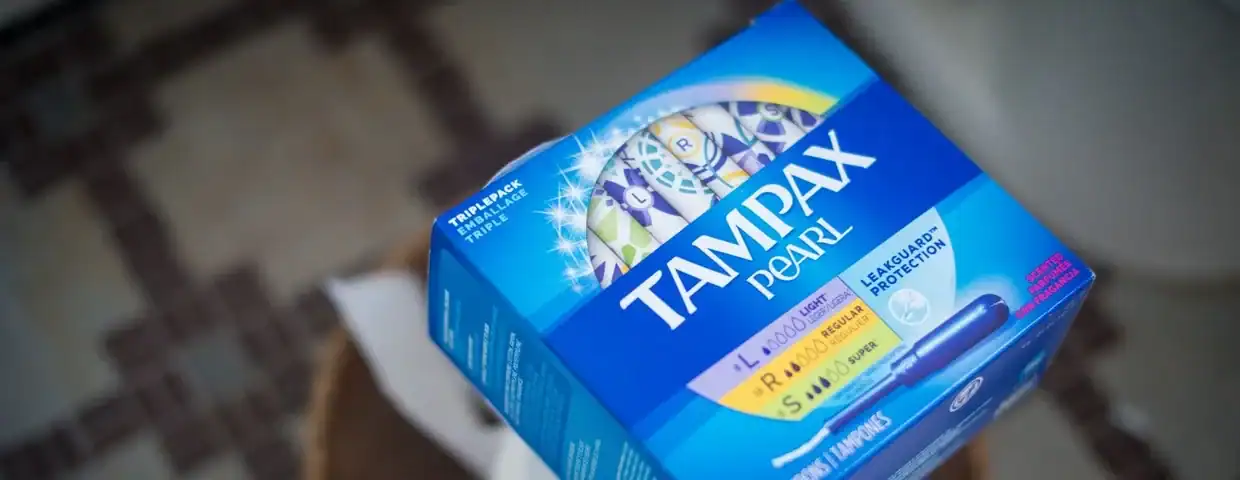
What Should Consumers Do Now?
If you have used Tampax Pearl, Radiant, or Pure Cotton products and are concerned about the 2026 lawsuit developments, attorneys recommend the following steps:
- Retain Evidence: Save your receipts or online order history (Amazon, Walmart, Target) for Tampax purchases. If a “no-proof” settlement is reached, it will likely be for a very small amount (e.g., $5–$10), whereas proof of purchase could lead to a full refund.
- Monitor Medical Symptoms: If you believe you have suffered a specific injury—such as reproductive issues, uterine fibrosis, or severe infections—consult a physician and keep detailed medical records. Individual “Personal Injury” claims are handled separately from “Consumer Fraud” class actions and often result in much higher compensation.
- Stay Informed: Continue to check reliable legal news sources for the certification of Otkina v. P&G.
Conclusion: The Long Road to Restitution
The 2026 Tampax lawsuit claims represent a turning point in the feminine hygiene industry. While P&G maintains that its products meet all FDA standards and that the trace metals found are naturally occurring in the soil, the courts are beginning to favor the consumer’s “right to know.” For the team at K. Hoffman Law, these cases underscore a broader 2026 trend: corporate giants are no longer immune to lawsuits over what they *omit* from their labels. For now, the best strategy for consumers is “organized patience” while the litigation plays out in federal court.