
The legal duel between country music icon Garth Brooks and his former hair and makeup stylist, identified as “Jane Roe,” has entered a complex jurisdictional phase as of March 11, 2026. What began in late 2024 as a series of explosive allegations has evolved into a strategic battle over where the case will ultimately be decided. While a California federal judge recently declined to dismiss the sexual assault lawsuit against Brooks, he simultaneously placed the California proceedings on hold, deferring to a first-filed lawsuit in Mississippi.
For the attorneys at K. Hoffman Law, the Brooks litigation represents a textbook example of “forum shopping” disputes. Similar to the Mahmoud Khalil v. Trump case, the central question is one of jurisdiction and the power of the courts to intervene. This case also mirrors the Tyler Perry text message controversy, as digital communications and decades-long professional relationships form the backbone of the evidentiary discovery.
The Allegations: A 2019 Trip and a $55 Million Dispute
The lawsuit, originally filed in Los Angeles Superior Court in October 2024, alleges that Brooks raped Jane Roe in a Los Angeles hotel room in May 2019 during a trip for a Grammy tribute performance. Roe, who worked for Brooks and his wife Trisha Yearwood for over 20 years, claims that Brooks used his power and her financial vulnerability to subject her to a “pattern of sexual harassment and assault.”
Brooks has vehemently denied these claims, labeling them a “shakedown” and an “attempted extortion.” In his own legal filings, Brooks contends that Roe’s attorneys sent him a confidential demand letter for millions of dollars before filing the suit—a move he characterized as “having a loaded gun waved in my face.” He maintains that he chose to sue first to speak out against defamation rather than pay “hush money.”
The 2025-2026 Jurisdictional “Hold”
The most significant development in early 2026 is the stay of proceedings in the U.S. District Court for the Central District of California. Judge Michael W. Fitzgerald ruled that because Brooks filed his preemptive lawsuit in Mississippi before Roe filed in California, the “first-to-file” rule generally applies.
Key details of the current 2026 status include:
- The Mississippi Decision: A federal judge in Mississippi is currently deciding whether the case should proceed there or be transferred to California. Until that decision is finalized, the California assault and battery suit is effectively paused.
- The Anti-SLAPP Factor: The choice of forum is critical. California has robust “anti-SLAPP” laws designed to protect against strategic lawsuits intended to silence victims. If the case remains in Mississippi, Brooks may have a procedural advantage that he would not enjoy in the California courts.
- The Sanctions Motion: Roe’s legal team is currently seeking “maximum sanctions” against Brooks for his decision to publicly name her in a Mississippi court filing in October 2024, an act they describe as “spiteful” and a violation of her privacy as a victim of alleged sexual violence.
2026 Career Impact: The London BST Headliner
Despite the gravity of the allegations, Garth Brooks’ career continues to reach new heights. In early 2026, it was announced that Brooks will headline the British Summer Time (BST) festival at London’s Hyde Park in June 2026. This marks his first UK performance in nearly 30 years and has sparked significant debate within the industry regarding “cancel culture” versus the “presumption of innocence.”
This contrast between legal turmoil and professional success is a recurring theme in 2026, much like the Dr. Kevin Sands malpractice claims, where high-profile figures continue their practice while defending their reputations. For Brooks, the London performance serves as a powerful statement of his intent to “play music” while the legal system handles the allegations.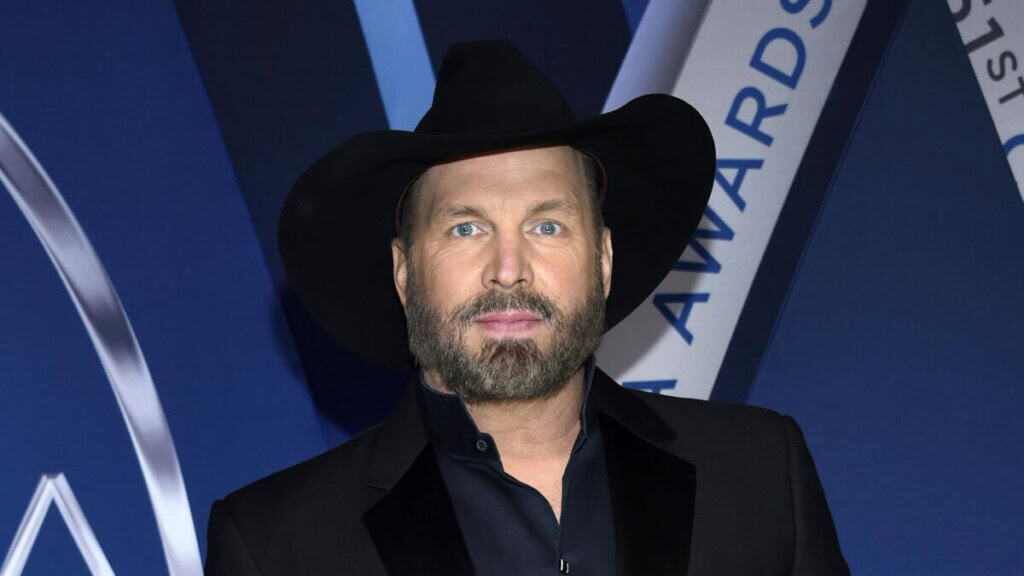
What This Means for Professional Contractors and Employees
The Brooks case offers several vital lessons for individuals working in the entertainment and service industries in 2026:
- Document Contemporaneous Events: In cases involving “delayed reporting” (the alleged assault occurred in 2019 but was filed in 2024), any contemporaneous evidence—journal entries, emails to friends, or therapist notes—becomes the “gold standard” of proof.
- The Power of the Preemptive Strike: Brooks’ decision to sue for “extortion” first has successfully slowed the momentum of the assault lawsuit, demonstrating how the “first-to-file” rule can be used as a defensive shield.
- Digital Footprint Risks: As seen in the Krispy Kreme data breach and other 2026 litigations, the “deletion” of text messages (which Roe alleges Brooks did to her phone) can lead to claims of “spoliation of evidence,” potentially resulting in severe penalties for the defendant.
Conclusion: Waiting for the Mississippi Gavel
As of March 11, 2026, the Garth Brooks sexual assault lawsuit is in a state of judicial “limbo.” While the world looks toward his 2026 London performance, the real drama remains in the federal courts of Mississippi and California. Whether the case eventually moves to trial or ends in a confidential settlement, it has already become a landmark example of how the legal system balances the rights of the accused against the claims of a survivor. For the team at K. Hoffman Law, the upcoming ruling from the Mississippi court will be the most consequential event of the year for this high-profile case.