The legal pressure on “subscription traps” has reached a boiling point. As of March 11, 2026, the Federal Trade Commission’s (FTC) landmark lawsuit against Uber Technologies (Case No. 3:25-cv-03477) has expanded significantly. Following a major amended complaint filed in late December 2025, a coalition of 21 states and the District of Columbia has officially joined the federal government in alleging that Uber used “dark patterns” to trick millions of consumers into recurring $9.99 monthly charges for its Uber One service.
At K. Hoffman Law, we view this as a pivotal moment for consumer digital rights. This litigation follows the same regulatory trajectory as the T-Mobile data breach settlement and the Nationwide robocall litigation, where massive corporations are being held to a higher standard of transparency. Just as the Toyota transmission lawsuit challenges the “lifetime” claims of hardware, the FTC is challenging the “cancel anytime” claims of software.
The Allegations: 23 Screens and 32 Actions to Cancel
The core of the FTC’s complaint, which is now scheduled for a bellwether trial in **February 2027**, focuses on the Restore Online Shoppers’ Confidence Act (ROSCA). The government alleges that Uber designed its app to make enrollment nearly instantaneous while making cancellation an “exhausting maze.”
Specific deceptive practices highlighted in the 2026 court filings include:
- The Cancellation Maze: Consumers reported being forced to navigate as many as 23 different screens and take up to 32 separate actions to successfully end a subscription.
- Negative Option Enrollment: The FTC alleges Uber used pre-checked boxes and misleading pop-ups that enrolled users in Uber One when they were simply trying to order a ride or food.
- Misleading Savings Claims: Uber marketed that members “Save $25 every month,” but the FTC argues this figure is “mathematically impossible” for the average user and fails to subtract the $9.99 membership fee itself.
- Premature Billing: Thousands of users reported being charged for a full year or month 48 hours *before* their free trial was set to expire, effectively revoking the “free” nature of the offer.
The “Click-to-Cancel” Regulatory Context
The Uber One lawsuit is being watched closely because it serves as a test case for the FTC’s broader “Click-to-Cancel” mandate. Although a federal appeals court recently paused parts of the formal rule, the FTC is using the Uber case to prove that existing laws like ROSCA already prohibit “onerous” cancellation processes. This mirrors the Northwestern University mandate battle, where the core of the dispute is whether an institution can impose hidden requirements on its members.
In a statement released in early 2026, Uber maintained that its processes are “clear and simple,” claiming that most cancellations take “less than 20 seconds.” However, the sheer volume of evidence from 22 state Attorneys General suggests a widespread systemic issue that may lead to a settlement in the hundreds of millions.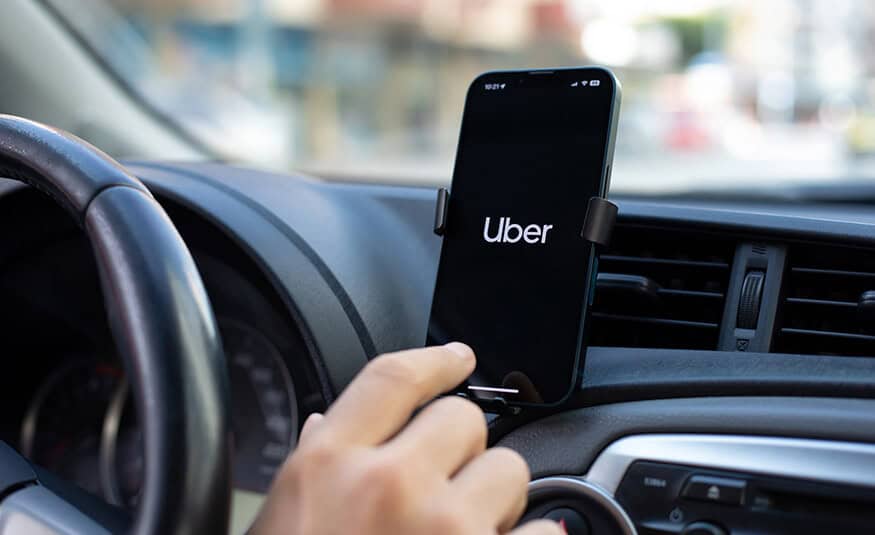
What This Means for Uber One Subscribers in 2026
If you have been charged for an Uber One subscription you did not authorize, or if you found it impossible to cancel, the 2026 legal landscape offers several avenues for relief:
- State AG Claims: With states like New York, California, Illinois, and Arizona joining the suit, residents of these states may eventually be eligible for automatic restitution if a settlement is reached.
- ROSCA Violations: The lawsuit seeks “civil penalties” of up to $51,744 per violation. While this money goes to the government, it provides massive leverage for a large-scale consumer refund pool.
- Digital Hygiene: As we advised in the Tyler Perry digital evidence reports, always take screenshots of your “Cancellation Confirmed” screen. Many Uber users report being charged months *after* they thought they had successfully opted out.
Identity Theft Concerns for Drivers
Parallel to the subscription lawsuit, a new crisis emerged on March 10, 2026, involving identity theft. Hundreds of individuals reported receiving 1099 tax forms for Uber income they never earned, suggesting that bad actors are using stolen Social Security numbers to create fraudulent driver accounts. This highlights a broader failure in Uber’s verification systems—a theme also seen in the Heidi Kling professional liability case regarding the vetting of practitioners.
Conclusion: The End of the “Dark Pattern” Era?
As of March 11, 2026, the Uber One FTC lawsuit is the front line in the war against deceptive digital design. If the FTC and the 22 states succeed, it will set a precedent that “cancel anytime” must mean “one-click cancellation.” For the team at K. Hoffman Law, the upcoming April 2026 discovery deadlines will likely reveal internal Uber emails regarding “churn reduction” strategies that could seal the company’s fate. We will continue to monitor the Northern District of California docket for any signs of a 2026 settlement.