
The long-running dispute over “ghost touches” and endless boot loops in Mazda vehicles is finally reaching its financial conclusion. As of March 11, 2026, the $1.9 million settlement in Duffy v. Mazda Motor of America, Inc. has cleared its final administrative hurdles. Following a revised approval order formally finalized by the court on February 26, 2026, the settlement administrator is now legally required to begin mailing reimbursement checks to thousands of affected owners across the United States.
At K. Hoffman Law, we have closely monitored this case because it highlights a growing trend in automotive litigation: the “Software vs. Hardware” defense. Just as the Toyota transmission lawsuit argues that software-driven fuel economy goals damaged physical hardware, the Mazda suit alleged that navigation SD cards and Connectivity Master Units (CMUs) were fundamentally mismatched, leading to dangerous driver distractions. This case also shares DNA with the Uber One FTC lawsuit, as both involve claims of “dark patterns”—in this case, replacing defective hardware with refurbished units that were equally prone to failure.
The 2026 Payment Requirement: May 28 Deadline
The most critical update for 2026 is the “Effective Date” of the settlement. With the court’s February 26 ruling, the settlement is now fully active. Under the terms of the agreement, the claims administrator must issue all valid reimbursement checks within 90 days. This means that if you submitted a valid claim before the August 2025 deadline, you should receive your payment no later than May 28, 2026.
The settlement provides two primary forms of relief:
- Cash Reimbursements: Up to $1,750 for out-of-pocket expenses related to repairing or replacing the CMU, SD cards, the display screen, or the rear-view camera.
- Limited Warranty Extension (LWE): An automatic 24-month warranty extension specifically for the Mazda Connect software and CMU hardware. This benefit does not require a claim form and is currently active for all class vehicles.
The “Ghost Touch” Gap: Why Some Repairs Were Denied
Despite the settlement’s success, a significant “gap” has emerged in 2026 regarding “ghost touching”—a defect where the infotainment screen makes selections on its own, often while the vehicle is in motion. Many owners have reported that while the settlement covers the CMU (the “brain” of the system), some dealerships are still denying coverage for the physical touchscreen digitizer itself, claiming it is a “display” issue rather than a “connectivity” issue.
As we noted in our coverage of the GM V8 engine litigation, manufacturers often use these technical distinctions to limit their liability. However, internal Mazda Technical Service Bulletins (TSBs) have historically linked ghost touching to both software glitches and physical delamination of the screen. For owners currently facing this issue, the 24-month warranty extension provides a vital tool to demand a “diagnostic re-evaluation” at no cost.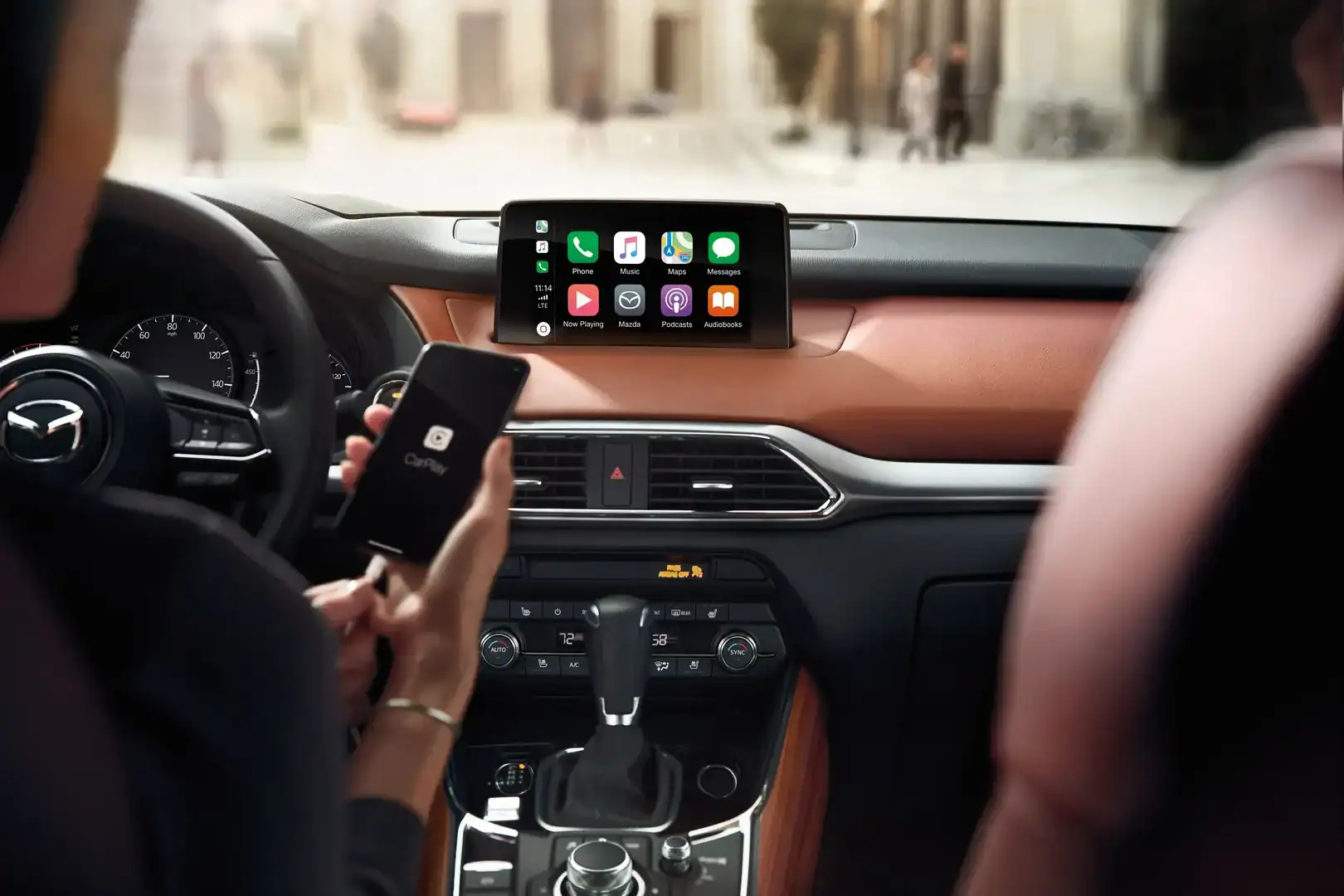
Included Vehicles and Eligibility
The 2026 settlement benefits apply to the following models equipped with the first-generation Mazda Connect system:
- Mazda3: 2014–2018
- Mazda6: 2016–2021
- Mazda CX-5 & CX-9: 2016–2020
- Mazda MX-5 Miata: 2016–2023
- Mazda2 & CX-3: 2016–2022
In 2026, we are seeing a parallel in the T-Mobile data breach settlement, where “legacy” systems are the primary source of liability. For Mazda, the transition to the second-generation “Mazda Connect” in 2021 models (and later) seems to have resolved these specific boot-loop issues, but it leaves owners of older models relying on the 2026 settlement for protection.
What to Do if Your Check Doesn’t Arrive
If May 28, 2026, passes and you have not received your reimbursement, follow these steps immediately:
- Contact JND Legal Administration: Call 1-844-552-0064 to verify the status of your claim. Have your original claim confirmation number ready.
- Verify Your Address: If you have moved since August 2025, your check may have been returned. As we discussed in the Tyler Perry litigation reports, maintaining a paper trail of address updates is essential for ensuring “due process” in settlement payouts.
- Appeal a Denial: If your claim was denied because the dealer coded the repair as “screen delamination” rather than “CMU failure,” you may be able to file an administrative appeal using the new 2026 court guidelines.
Conclusion: Holding the Line on Automotive Tech
The Mazda infotainment lawsuit is a victory for consumers, but it is a partial one. While the $1.9 million attorney fee award has drawn criticism, the 24-month warranty extension provides real-world protection for millions of drivers. As vehicles become “computers on wheels,” the team at K. Hoffman Law remains committed to ensuring that software failures are treated with the same legal weight as engine failures. If your Mazda Connect system fails in 2026, do not accept a “no” from the dealership—remind them of the court-ordered warranty extension that is now the law of the land.