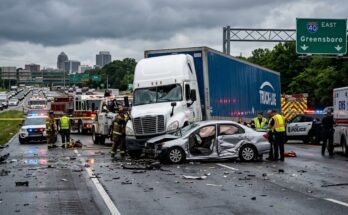
Most people think of traffic offences as annoying but relatively minor inconveniences. You get pulled over, cop a fine, lose some demerit points, maybe attend a speed awareness course. It’s frustrating and expensive, but it doesn’t feel serious in the way that criminal charges feel serious. You pay the penalty and move on with your life. Then there are traffic offences that cross a very different line.

These aren’t matters you can sort out with a fine and a lesson learned. These are criminal offences that land you in court facing potential imprisonment, substantial fines, and consequences that follow you for years. Your licence isn’t suspended temporarily, it’s cancelled. Your insurance becomes prohibitively expensive or unavailable. Background checks for employment suddenly become a problem.
The criminal defence solicitors at Podmore Legal see it all the time: a client walks in thinking they just need help “fixing a ticket.” They are usually genuinely surprised when they realise they are actually caught up in the criminal justice system. A court summons is a completely different beast compared to a standard infringement notice, and the reality is a lot heavier than most people ever anticipate.
Imagine a typical Tuesday morning. You’re running late for a meeting, your coffee is cold, and you make a split-second, frustrated decision to floor it past a slow driver on a suburban street. You see the sirens and pull over, already calculating how much the fine will hurt your bank account.
Then the officer tells you it’s not just a speeding ticket. Now you’d need to contact a your traffic offence lawyer who help you get out of trouble.
Suddenly, you aren’t just paying a bill online – there’s more to it: You’re looking at a mandatory court date in front of a Magistrate. The shift is instant and terrifying. In that first legal consultation, the realisation sinks in: this isn’t about demerit points anymore (penalties in WA are pretty harsh – you can have only 12 in 3 years). for It’s about a criminal record that could follow you for years.
Knowing which traffic slip-ups trigger these criminal proceedings is massive. It’s the difference between a manageable penalty and a conviction that flips your life upside down. When the case moves from a traffic office to a criminal court, the stakes change from your wallet to your future. Podmore Legal can have this sorted, they dealt with multiple cases like this and they have some case studies on their website: https://podmorelegal.com/traffic-offence-lawyers-perth/
Drink Driving: Always Criminal
Drink driving occupies a strange space in public perception. Everyone knows it’s illegal and dangerous, but many people still think of it primarily as a traffic matter rather than a criminal offence.
The reality is that in Western Australia, drink driving is always a criminal offence, regardless of your blood alcohol level.
Even a first-time low-range drink driving charge, where your blood alcohol concentration is between 0.05 and 0.079, results in a criminal conviction and court appearance. You cannot simply pay a fine and continue driving. Your licence will be disqualified for a minimum period, you’ll be required to attend court, and you’ll have a criminal record.
As blood alcohol levels increase, the penalties escalate dramatically. High-range offences (0.15 and above) can result in imprisonment, even for first offenders. Repeat drink driving offences carry mandatory imprisonment in many cases.
The impact on your licence is severe and immediate. Police can suspend your licence at the roadside if you’re over the limit. Court-imposed disqualifications can last months or years depending on the offence and your history.
Many people don’t realise that drink driving convictions can affect employment, particularly in industries that require driving or where criminal records are relevant. International travel can become complicated, as some countries refuse entry to people with drink driving convictions.
Drug Driving and Its Consequences
Drug driving laws in Western Australia are straightforward but absolutely unforgiving. If you have prescribed illicit drugs in your system while driving, you’ve committed an offence.
There’s no impairment threshold like there is with alcohol. Detection of the drug is enough.
The drugs tested for include methamphetamine, MDMA, and THC. The testing can detect these substances days after use, long after any impairing effects have worn off. This catches many people by surprise. They used drugs on the weekend, felt completely fine by Monday, got pulled over for a random drug test, and found themselves facing criminal charges.
The penalties for drug driving are similar to those for drink driving. First offences result in fines and licence disqualification. Repeat offences can result in imprisonment.
Combining drug driving with other offences makes everything worse. If you’re caught driving under the influence of drugs while also disqualified, or after refusing to provide a sample, the penalties stack up rapidly.
Dangerous Driving Causing Death or Grievous Bodily Harm
This is where traffic offences enter truly serious criminal territory.
Dangerous driving causing death or grievous bodily harm is prosecuted as a major criminal offence, comparable in seriousness to assault or manslaughter charges.
Dangerous driving is defined as driving in a manner dangerous to the public. This is assessed objectively. It doesn’t matter whether you intended to drive dangerously. If a reasonable person would consider your driving dangerous in those circumstances, the offence is made out.
Examples include excessive speeding, aggressive driving, racing on public roads, or driving whilst significantly affected by fatigue. If that dangerous driving results in someone’s death, you’re facing potential imprisonment of up to 10 years. If it results in grievous bodily harm, you’re facing up to 7 years.
Even where imprisonment isn’t imposed, convictions for dangerous driving causing death or harm have devastating consequences. Your licence will be disqualified for years. You’ll struggle to obtain insurance. The conviction appears on background checks permanently.

Driving Whilst Disqualified or Suspended
Driving whilst disqualified or suspended might not sound as serious as some other offences on this list, but the penalties can be surprisingly harsh.
If a court has already disqualified you from driving and you choose to drive anyway, you’re demonstrating contempt for court orders and disregard for road safety.
Penalties escalate rapidly for repeat offences. A first offence might result in a fine and extended disqualification. A second offence often results in imprisonment.
Many people caught driving whilst disqualified claim they didn’t know their licence was suspended. This defence rarely succeeds. The law expects you to know your licence status.
Combining driving whilst disqualified with other offences creates serious problems. If you’re caught whilst also over the limit, or you fail to stop for police, or you’re involved in an accident, the penalties increase substantially.
Failing to Stop After an Accident
Leaving the scene of an accident without stopping is a criminal offence in Western Australia. If you’re involved in an accident and you don’t stop, you’re committing an offence regardless of who caused the accident or how minor the damage seems.
The most serious version involves failing to stop after an accident where someone is killed or injured. This can result in imprisonment of up to 10 years. The law requires you to stop, render assistance if possible, and provide your details.
Even in cases where no one is injured, failing to stop after damaging property is still a criminal offence. This includes hitting a parked car and driving away. Many people convince themselves that minor damage doesn’t count. These rationalisations don’t prevent prosecution.
Cases involving alcohol or drugs make everything worse. Many people who flee accident scenes do so precisely because they know they’re over the limit and are trying to avoid drink driving charges. This strategy usually backfires spectacularly.
Reckless Driving and Street Racing
Reckless driving is defined as driving without reasonable consideration for other road users, or in a manner that creates a risk to public safety.
Examples include weaving through traffic aggressively, tailgating, deliberately blocking other vehicles, or performing burnouts in public areas. The penalties include fines, licence disqualification, and potential imprisonment for serious cases.
Street racing and organised hooning activities are prosecuted particularly seriously. The definition of racing is broader than many people realise. Two cars accelerating hard from traffic lights to see who’s faster can constitute racing.
Vehicle impoundment provisions add another layer of consequence. Police can impound your vehicle for up to 28 days for a first offence, and vehicles can be permanently confiscated for repeat offences. Having your car impounded means paying tow fees, storage fees, and release fees that can run into thousands of dollars.
Refusing Breath Tests or Drug Tests
Refusing to provide a breath sample or drug sample when required by police is a criminal offence, and in many cases the penalties are equal to or greater than those for actually being over the limit.
The obligation to provide a sample when required is absolute. You cannot refuse because you think the test is unfair, or because you believe you’re under the limit. If a police officer has reasonable grounds to require a sample and you refuse, you’re committing an offence.
Penalties for refusal often match or exceed those for high-range drink driving. For a first offence, you’re facing significant fines and licence disqualification. For repeat offences, imprisonment becomes likely.
Refusing a test doesn’t prevent prosecution for drink or drug driving. Police can obtain warrants to take blood samples. Refusing the roadside test adds an additional charge rather than helping you avoid consequences.
Understanding the Real Consequences
The criminal nature of serious traffic offences means consequences extend far beyond fines and disqualification periods.
A criminal conviction affects employment prospects, particularly in industries involving driving or working with vulnerable people. International travel becomes complicated. Countries like the United States, Canada, and New Zealand may refuse entry to people with criminal records.
Insurance becomes either unavailable or prohibitively expensive. Many insurance companies refuse to cover drivers with serious traffic convictions.
Professional licences and certifications in many industries require disclosure of criminal convictions. Teachers, healthcare workers, lawyers, and financial advisors must report criminal convictions to their regulatory bodies.
The impact on families can be severe. Losing your licence might mean you can’t take children to school, get to work, or maintain employment. Imprisonment for serious offences separates you from family and creates financial hardship.
Getting Legal Help Early Matters
Having experienced legal representation from the start of the process provides significant advantages. A lawyer can review the evidence against you and identify any procedural errors or factual disputes that might form the basis of a defence.
In cases where the evidence is strong and conviction is likely, a lawyer can negotiate with prosecutors for reduced charges or make submissions to the court for more lenient penalties.
If you’re facing serious traffic charges, particularly those involving injury, death, repeat offending, or circumstances suggesting imprisonment is possible, contact Podmore Legal. The criminal defence team has extensive experience defending clients against serious traffic charges and can provide clear advice about your options and the best strategy for your situation. The decisions you make early in the process can significantly affect the final outcome.