
DOJ Maryland Judges Lawsuit Dismissal: 2026 Case Summary
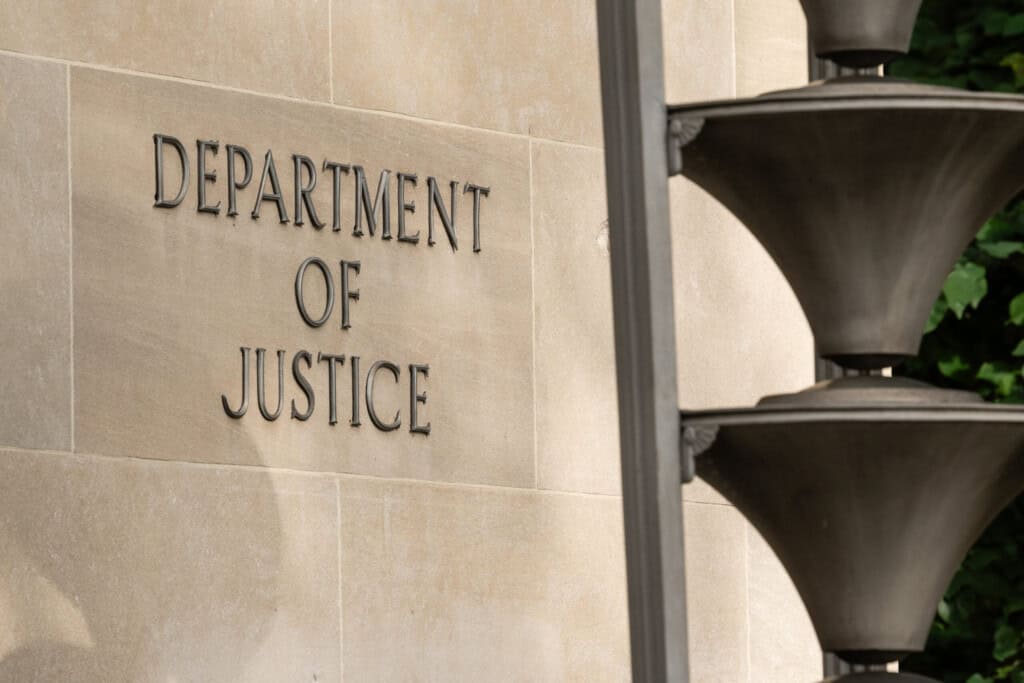
The unprecedented legal battle between the Department of Justice (DOJ) and the entire federal bench of the U.S. District Court for the District of Maryland has reached a definitive conclusion. In early 2026, the litigation officially ended following a series of high-stakes rulings that affirmed judicial independence and defined the limits of executive branch authority over the courts. The case, originally filed in June 2025, represented a historic confrontation between two co-equal branches of the United States government.
The following report provides a detailed overview of the Maryland judges lawsuit dismissal, the legal reasoning behind the court’s decision, and the 2026 status of the controversial immigration rules that sparked the conflict.
The Origins of the Conflict: The 48-Hour Freeze
The lawsuit (United States v. George L. Russell III, et al.) was initiated by the DOJ after Chief Judge George L. Russell III issued a standing order in early 2025. This order required an automatic 48-hour “stay of removal” for any immigrant detained in Maryland who filed a habeas corpus petition. The court’s primary goal was to ensure that petitioners were not deported before a judge could even be assigned to review the legality of their detention, especially following reports of “hurried” removals that bypassed judicial review.
The DOJ argued that this “automatic injunction” was an unlawful obstacle to the President’s plenary authority to enforce immigration laws. They accused the Maryland judges of prioritizing their own “convenience” and “regular business hours” over the constitutional duty to execute removals. In a move that legal experts called “calamitous” and “extraordinary,” the DOJ named all 15 active and senior judges of the district as individual defendants, effectively suing the entire court system.
The Dismissal: 2025–2026 Legal Reasoning
The case was overseen by U.S. District Judge Thomas Cullen, who was assigned from the Western District of Virginia because every judge in Maryland was a party to the suit. On August 26, 2025, Judge Cullen issued a blistering 37-page opinion dismissing the suit. By early 2026, the following legal pillars were established as the basis for the final dismissal:
- Judicial Immunity: Judge Cullen ruled that the judges were absolutely immune from the lawsuit. He determined that issuing standing orders is a “quintessential judicial act” and that suing judges personally for their rulings would “offend the rule of law.”
- Lack of Cause of Action: The court found that the executive branch has no statutory right to sue a coordinate branch of government in this manner. Judge Cullen noted that if the DOJ disagreed with a stay, the proper path was a standard appeal in a specific case, not a broad lawsuit against the entire bench.
- Separation of Powers: The ruling emphasized that the judiciary must remain free from executive “smears” and “impugning” tactics. The opinion explicitly criticized the DOJ’s strategy of labeling judges as “radical” or “rogue” simply for performing their constitutional duties to preserve their own jurisdiction.
2026 Case Status: Vacatur and Mootness
In January 2026, the DOJ sought to voluntarily dismiss its appeal to the Fourth Circuit. The department argued that the case was now moot because the District of Maryland had adopted a new, “materially different” standing order on December 1, 2025. This new rule addressed some of the government’s procedural concerns while still maintaining a temporary window for judicial review to prevent erroneous deportations.
As of March 2026, the litigation is effectively over. While the DOJ asked the Fourth Circuit to “vacate” the lower court’s opinion (essentially erasing the legal precedent), the initial dismissal remains a powerful symbolic victory for judicial independence. The outcome effectively blocked the administration’s attempt to use the DOJ to intimidate federal judges who rule against executive policies. This case has set a high bar for commercial and legal design standards regarding how the branches of government must resolve disputes.
Key Figures in the Maryland Judges Lawsuit
| Participant | Role | Outcome/Action |
|---|---|---|
| George L. Russell III | Chief Judge, D. Md. | Lead defendant; his standing order was upheld as a valid exercise of court authority. |
| Thomas Cullen | U.S. District Judge | Authored the dismissal opinion; characterized the DOJ’s path as “confrontational.” |
| Paul Clement | Defense Attorney | Represented the judges; argued that the suit was a “non-justiciable dispute.” |
| Paula Xinis | U.S. District Judge | Defendant judge whose prior rulings against illegal deportations were a catalyst for the suit. |
Broader Legal Implications for 2026
The DOJ Maryland judges lawsuit dismissal has far-reaching consequences for the 2026 legal landscape. It has reaffirmed that the projected authority of the executive branch stops at the courthouse door. Legal scholars suggest that this case will prevent future administrations from attempting to “mass-sue” judicial bodies to bypass traditional appellate processes.
Furthermore, the case has highlighted the need for integrated procedural models that allow courts to handle the massive influx of immigration habeas petitions without sacrificing the due process rights of detainees. The Maryland bench’s success in defending its local rules ensures that “stopgap measures” remain a valid tool for judges to maintain their jurisdiction in urgent removal cases.
Conclusion
The final resolution of the United States v. Maryland Federal Bench serves as a historic victory for the independence of the third branch of government. While the DOJ continues to challenge individual stays of removal in 2026, the broader attempt to dismantle judicial immunity through inter-branch litigation has failed. Staying updated on these constitutional developments is vital for anyone tracking the balance of power in the modern era.