Modern roads are currently hosting a silent competition between human intuition and cold machine logic. Every time you drive through a major city or find yourself navigating busy suburban lanes, you are likely surrounded by dozens of invisible decisions being made by software instead of people. The heavy reliance on tech creates a false sense of safety until a crash happens and the digital curtain drops.
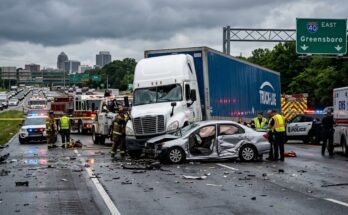
Most people expect a simple exchange of insurance cards, but an automated wreck leaves you holding a handful of data logs and a lot of unanswered questions. It is easy to feel small when the driver who hit you turns out to be a line of code or a remote sensor. If you are trying to pick up the pieces after a crash like this, here is the roadmap to finding the person who is actually to blame.
The Problem of the Hidden Actor
Identifying a single reckless person is straightforward when a driver is clearly distracted or speeding, but those old rules do not apply to a smart vehicle. These cars are built with layers of technology provided by different companies, which makes finding the real culprit feel like a shell game. One company might have built the sensor that missed the obstacle while a separate business wrote the software that decided not to brake.
It is recommended to contact professionals early, such as experienced attorneys at The NMW Law Firm, to make sure you are looking at the entire supply chain rather than just the empty driver seat. Without a deep look into these layers, the big tech companies will likely try to blame a minor glitch or even the victim to avoid a massive payout.
Breaking Down the Digital Evidence
A standard police report usually covers the basics of what happened on the pavement but it rarely touches the internal digital truth of an automated accident. These vehicles are constantly recording their own version of events through something called a point cloud which is a 3D map of everything the car saw in the moments before impact. This data is the key evidence to proving that a system was negligent or that its sensors were not maintained properly by the fleet operator.
- Digital logs show exactly when the software failed to recognize a pedestrian or a stopped vehicle.
- Maintenance records can prove if a company skipped a necessary software update to save time.
- Communication trails between the car and the city grid can reveal if a signal error caused the confusion.
- Internal sensor data often exposes that the vehicle knew a crash was coming but the logic failed to react.
Shifting the Burden to the Creators
Corporations often hide behind the idea that their technology is too complex for a regular person to understand or question in court. They want you to believe that an automated failure is just a random accident or a rare technical mystery that nobody could have predicted. However every piece of software on the road was designed by a person and tested by a team before it was ever allowed near your family.
If that software makes a choice that leads to a catastrophic injury the responsibility sits squarely on the desks of the people who pushed that code live. Pushing for accountability means refusing to accept the excuse that a machine made an unavoidable mistake when the reality is usually a design flaw or a lack of proper testing.
Challenging the Proprietary Wall
The biggest hurdle in these cases is the legal wall that tech firms build around their software to protect what they call trade secrets. They will argue that showing exactly how their car failed would reveal sensitive company information to their competitors. This secrecy is a major threat to justice because it keeps the truth about a crash locked away in a private server while the victim struggles with medical bills and lost wages.
A strong legal strategy involves forcing these companies to open their black box and show the logic that led to the wreck. It takes a massive amount of persistence to cut through these corporate excuses but uncovering the math behind the mistake is the only way to get a fair result.
Final Note
Machines do not feel the consequences of their errors, but the families living in any growing metropolitan area certainly do every single day. The legal system was built to protect people, and it must evolve to ensure that as vehicles get smarter, the companies behind them are held to a higher standard of care. You should never feel like you have to go up against a multi billion dollar tech giant on your own while you are still trying to heal from the physical trauma of a collision.
It is recommended to contact professionals early to make sure your rights are defended against the automated systems that are quickly taking over our public spaces. Reclaiming the narrative from a computer program is the first step toward getting the justice you actually deserve.