Hyundai Palisade Braking Lawsuit: ABS Defects & Safety Risks
The Hyundai Palisade has quickly become a flagship for the brand, praised for its luxury features and family-friendly design. However, a growing wave of legal action is casting a shadow over the popular SUV. A Hyundai Palisade braking lawsuit alleges that certain models suffer from a critical defect in the Anti-lock Braking System (ABS) and Traction Control System (TCS), leading to increased stopping distances and safety hazards on the road.
As of early 2026, several class action lawsuits and federal investigations have highlighted concerns regarding the 2023, 2024, and 2025 Hyundai Palisade models. Plaintiffs argue that the vehicle’s safety systems fail to perform correctly under common driving conditions, specifically when encountering uneven or rough road surfaces.
The Core Allegations: ABS and Traction Control Malfunctions
The primary complaint in the Hyundai Palisade class action lawsuit (Maldonado, et al. v. Hyundai Motor America) centers on how the vehicle processes wheel speed. According to the legal filings, the ABS and TCS in affected vehicles miscalculate wheel speed when the SUV is driven over speed bumps, potholes, gravel, or uneven pavement.
When this miscalculation occurs, the system allegedly triggers a rapid “release and reapplication” of the brakes. For the driver, this translates to a terrifying sensation of the car “skidding” or “lurching forward” even while the brake pedal is firmly depressed. The result is a significantly longer stopping distance than expected, which has led to numerous reports of near-misses and safety concerns among owners. These issues often arise when drivers are attempting to navigate complex road environments where consistent braking is essential for safety.
Affected Model Years
While the Palisade has seen various minor recalls since its debut, the current braking litigation specifically targets the following production years:
- 2023 Hyundai Palisade
- 2024 Hyundai Palisade
- 2025 Hyundai Palisade
Does Hyundai Know About the Brake Defect?
A major component of the Hyundai Palisade brake failure lawsuit is the allegation of “fraudulent concealment.” Plaintiffs contend that Hyundai was aware of the braking instability long before it became a public issue. The lawsuit cites several sources of information that should have alerted the automaker to the defect:
- Pre-Production Testing: Internal data that may have shown ABS irregularities during the development phase.
- Consumer Complaints: Over 200 reports filed with the National Highway Traffic Safety Administration (NHTSA) and online forums like Reddit dating back to early 2023.
- Warranty Data: A high volume of dealership visits from owners reporting “shuddering” or “grinding” sensations while braking.
Despite these indicators, the lawsuit claims Hyundai continued to market the Palisade as a vehicle with “top-of-the-line safety features” without disclosing the potential for braking failure on rough roads. Such claims underscore the importance of transparency in modern engineering standards and corporate accountability.
Consumer Experiences: Shaking, Grinding, and Delayed Stops
Real-world reports from Palisade owners have been a driving force behind the legal pressure. Many drivers describe a specific set of symptoms that occur at low speeds over bumps. One lead plaintiff noted that her vehicle felt as if it were skidding over the road surface, requiring a much longer distance to stop than she reasonably anticipated.
Other common complaints include:
- Violent Shaking: The steering wheel or brake pedal vibrating aggressively when brakes are applied on uneven terrain.
- Grinding Noises: Audible mechanical sounds from the ABS unit engaging unnecessarily.
- Unresponsive Pedals: A feeling that the brakes have “given out” for a split second before the system catches again.
In many cases, dealerships have told owners that the behavior is “normal” or that they “could not replicate the issue,” leaving many families feeling unsafe in their own vehicles.
Current Status of the Hyundai Palisade Lawsuit (2026)
As of March 2026, the litigation is progressing through the U.S. District Court for the Central District of California. While the current lead cases focus heavily on residents in states like New York and Ohio, the scope of these class actions often expands to include owners nationwide. Legal teams are meticulously reviewing technical design documents to determine if the software logic used in the ABS module is fundamentally flawed.
In addition to the braking issues, the Palisade is currently facing other significant safety challenges. In March 2026, Hyundai issued a stop-sale order for the 2026 Palisade Limited and Calligraphy trims following a fatal incident involving a power-folding seat defect. Furthermore, a 2026 class action has alleged that previous recalls failed to adequately fix a third-row airbag defect affecting over 500,000 vehicles. These combined issues have put Hyundai’s safety record under intense scrutiny by federal regulators.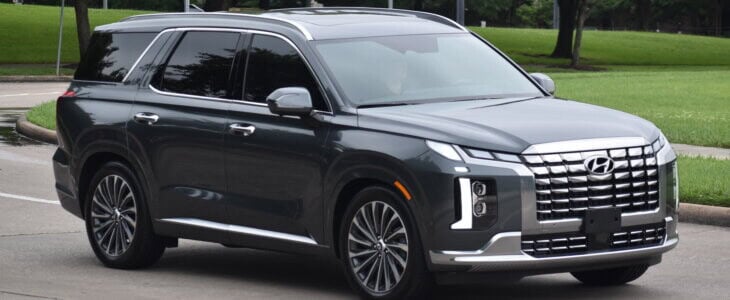
What Should Palisade Owners Do?
If you own or lease a 2023–2025 Hyundai Palisade and have experienced unusual braking behavior, legal experts suggest the following steps:
- Document Every Incident: Keep a log of when and where the braking issue occurs, noting road conditions and speeds.
- Official Repair Records: Even if the dealer says they cannot find a problem, ensure they document your specific complaint on a formal repair order.
- Monitor Recalls: Check your VIN regularly on the NHTSA website for updates regarding the ABS or traction control systems.
- Consult a Professional: If your vehicle has spent significant time in the shop for these issues, you may be eligible for compensation under state Lemon Laws or by joining the ongoing class action.
Conclusion
The Hyundai Palisade braking lawsuit highlights a critical safety gap in one of the market’s most popular SUVs. For a vehicle designed to transport families, the reliability of the anti-lock braking system is non-negotiable. As the legal battle continues, owners are hopeful that a permanent fix—whether through a software recalibration or a hardware replacement—will be mandated to ensure the safety of all road users.