
The Invisible Injury
The Danger of Late-Onset Symptoms
The human body is designed to survive trauma through the release of adrenaline and endorphins. This natural “chemical mask” often hides the true extent of an injury in the minutes and hours following an impact. It is common for a victim to tell a police officer, “I’m fine,” only to wake up the next morning with debilitating neck pain, headaches, or numbness in their extremities.
Legally, if you do not have a medical record dated the day of the accident, the defense will argue that your injuries were caused by something else—a gym workout, a fall at home, or a pre-existing condition—that occurred in the days following the crash.
Common Rear-End Injuries That Require Early Detection:
- Whiplash (Cervical Strain): Rapid acceleration and deceleration can tear tendons and ligaments in the neck that don’t show up on a standard X-ray.
- Concussions (TBI): You do not need to hit your head to suffer a brain injury; the “sloshing” of the brain against the skull during a rear-end impact is sufficient.
- Herniated Discs: The sudden force can compress the spine, causing spinal discs to bulge or rupture, often leading to delayed nerve pain.
- Internal Bleeding: Seatbelts save lives, but the intense pressure they exert can cause internal bruising or organ damage that is only detectable via professional screening.
Closing the “Gap in Treatment”
In the eyes of an insurance company, if you weren’t hurt enough to go to a doctor immediately, you weren’t “really” hurt. This is known as the Gap in Treatment. Adjusters use sophisticated software to evaluate claims, and one of the highest-weighted variables is the time elapsed between the accident and the first medical entry.
By seeking a medical evaluation within hours of the collision, you establish a Causal Link. This record serves as an objective bridge between the defendant’s negligence and your physical condition, making it much harder for the insurance company to distance themselves from the liability.
The Role of Objective Evidence
Documentation isn’t just about a doctor saying you are in pain; it’s about the objective clinical findings. This includes range-of-motion tests, neurological exams, and imaging like MRIs or CT scans. In 2026, many medical providers also use digital posture analysis and electromyography (EMG) to visualize muscle damage that was previously “invisible” to the naked eye. These reports become the most valuable exhibits in your legal file, providing a “black and white” reality that subjective testimony cannot match.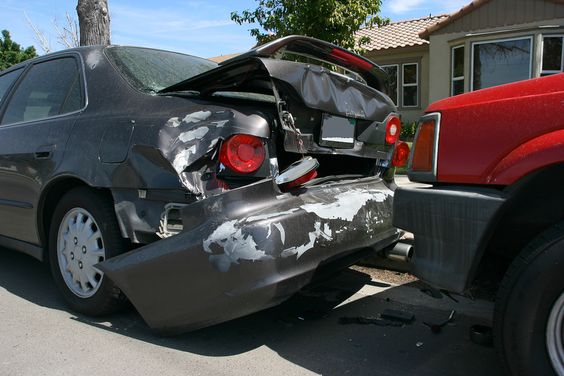
Maximizing Recoverable Damages
Ultimately, your compensation is tied to the severity and duration of your treatment. Immediate documentation allows for a comprehensive Treatment Plan to be established early. This ensures that all future costs—including physical therapy, chiropractic care, and potential surgeries—are accurately projected. Without an early diagnosis, it is nearly impossible to claim “future medical expenses,” as there is no baseline to show the injury is permanent or long-term.
Conclusion: Protection Beyond the Pavement
In conclusion, a rear-end collision is a medical event that requires a legal strategy. Even if the damage to your vehicle is minimal, the force transferred to your spine and brain is significant. Protecting your health and your right to recovery begins the moment you step out of the car.
By prioritizing a medical evaluation immediately following an accident, you are doing more than just healing your body; you are securing the evidence necessary to hold the negligent party accountable. In the courtroom of 2026, the loudest voice isn’t the lawyer’s—it’s the medical record. Ultimately, documentation is the only way to ensure that your “invisible” injuries receive the visible justice they deserve.