
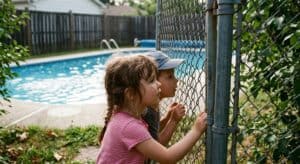
A backyard swimming pool can be a source of fun, relaxation, and family gatherings throughout the year. However, it can also become one of the most dangerous features on a residential property when proper safety measures are not in place. Young children are naturally curious and may be drawn to water without fully understanding the risks involved. When a preventable tragedy occurs, grieving families sometimes consult a wrongful death lawsuit attorney to better understand their legal rights and options.
Backyard Pools Present Serious Risks for Children
It’s not always easy for kids to spot danger as adults do. Some people think that a swimming pool is safe and fun, especially little kids who like water. Without the right guards and safety measures, a pool can quickly become a dangerous place for accidents.
Drowning incidents often happen quietly and within a matter of minutes. Movies often show drowning with loud cries for help and big splashes, but this isn’t always how it happens. Because of this, protection is even more important for families and property owners.
A lot of bad things happen when kids get into a pool without permission. A child could get into the water without being seen if there is an unlocked gate, a broken fence, or an area around the pool that is not shut off. These risks can be significantly reduced with simple safety steps.
Pool Owners Have a Responsibility to Maintain Safe Conditions
Owning a pool comes with responsibilities that extend beyond personal enjoyment. Property owners should take reasonable steps to prevent foreseeable harm, particularly when children may be present in the neighborhood. Proper safety precautions can help protect both visitors and children who live nearby.
Fencing is one of the most effective safety measures available. A secure fence with a self-closing and self-latching gate helps restrict access to the pool area. When properly maintained, these barriers can prevent many accidental drownings.
Pool covers, alarms, and locked entry points provide additional layers of protection. While no single measure can eliminate all risks, combining multiple safety features creates a safer environment. Responsible pool ownership often involves using several precautions together.
Neighborhood Children May Be Drawn to Water
Even children who have never visited a property may become curious about a backyard pool. Warm weather, visible water, and recreational equipment can attract attention from children playing nearby. This attraction increases the importance of maintaining strong safety barriers.
Some kids may go onto someone else’s property without permission just to look around. Young kids don’t always understand how dangerous swimming pools can be. Because they are naturally curious, they may end up in situations they aren’t ready to handle safely. When assessing how safe a pool is, property owners should consider these options. Effective safety measures take into account that kids don’t always do what you’d expect. Preventive measures exist because accidents can happen unexpectedly.
Supervision Remains Essential
Safety equipment is important, but it does not replace active supervision. When kids are near water, they should always be closely watched. Even people who are very good at swimming can have problems that require immediate help.
Adults watching kids should pay attention and avoid getting sidetracked. Mobile phones, conversations, and household tasks can divert attention during critical moments. Being aware of your surroundings at all times makes pools much safer.
It can also be helpful to assign a special adult to watch over swimmers. When responsibility is clearly assigned, there is less risk of assuming someone else is watching. Consistent supervision remains one of the most effective forms of prevention.
The Consequences of a Pool Tragedy Can Be Devastating
When someone drowns or has a major accident in the pool, it can be very hard on the families involved. Parents, brothers, and other loved ones may feel terrible grief for years. The loss of a child affects every aspect of a family’s life.
Financial burdens can also follow a serious incident. Expenses for medical care, emergency response, counseling, and funerals all add to the already difficult situation. Families often face both emotional and practical difficulties.
Communities are often impacted as well. The loss may be difficult for friends, neighbors, schools, and local groups to deal with. A single preventable accident can have far-reaching consequences beyond the immediate family.
Understanding Liability After a Pool Accident
Determining responsibility after a pool-related incident often requires a thorough review of the circumstances. Investigators may examine fencing, gates, warning signs, supervision, and other safety measures. These things can help you determine whether reasonable safety measures were taken.
Photos, witness accounts, maintenance records, and reports on the property’s condition may all be useful as evidence. Understanding what happened often helps families find answers during a difficult period. A thorough probe can also help find ways to make things safer in the future. In cases involving a fatal accident, families may consult a wrongful death lawsuit attorney to understand available legal options. Legal guidance can help them evaluate potential claims and pursue accountability when negligence contributed to the tragedy.
Conclusion
Backyard pools provide enjoyment for many families, but they also carry significant responsibilities. Property owners should take proactive steps to prevent unsupervised access by children to pool areas and to ensure that safety measures remain effective. By maintaining secure barriers, practicing active supervision, and recognizing the risks children face, neighbors can help create safer communities and reduce the likelihood of preventable tragedies.