
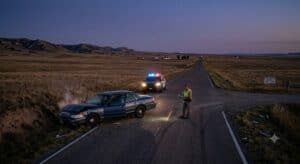
Driving through wide-open rural landscapes offers an incredible sense of freedom, but these scenic roads often harbor hidden dangers that severely complicate post-accident investigations. While many people assume fewer cars on the road means simpler accident claims, the reality is that rural collisions present a uniquely frustrating set of legal and logistical hurdles. When a crash occurs miles away from the nearest town, gathering evidence becomes a high-stakes race against time and nature—which is exactly why partnering with an experienced car wreck law firm is essential for protecting your recovery.
Understanding these challenges is vital for anyone who regularly travels outside major city centers. If you or a loved one is ever injured on a remote stretch of highway, knowing why these investigations are complex can help you protect your rights and secure fair compensation.
The Golden Hour and Delayed Emergency Response Times
Delayed emergency response times in rural areas directly impact how quickly critical accident scene evidence can be preserved. While an urban police officer or paramedic might arrive within minutes, rural emergency services often travel massive distances over sprawling jurisdictions just to reach a crash site. According to national collision data analyzed by the Insurance Institute for Highway Safety (IIHS), crash fatalities remain disproportionately high on rural roads, largely because emergency response times in these communities are, on average, more than twice as long as those in urban settings.
This inevitable delay creates a critical window of vulnerability for the integrity of the investigation:
- Perishable Evidence: Physical evidence like tire skid marks, fluid spills, and scattered debris can vanish or be altered long before law enforcement arrives.
- Vehicle Displacement: Well-meaning passersby or secondary traffic might move vehicles or debris to clear the roadway, muddying the original scene physics.
- Delayed Medical Documentation: When medical treatment is delayed due to location, connecting specific injuries directly to the impact becomes a tougher legal battle.
“In rural accident reconstruction, we are frequently fighting the clock. By the time a deputy arrives, passing vehicles may have worn away tire marks, or shifting weather may have washed away fluid trails that tell us who crossed the centerline.” — Senior Accident Reconstruction Specialist
A Severe Shortage of Environmental Surveillance and Witnesses
Rural car accidents suffer from a severe shortage of external surveillance footage and independent eyewitness accounts to corroborate driver statements. In a bustling city, a collision is almost always captured by traffic cameras, dashboard cameras, store security systems, or bystanders. On a country road or a remote state route, there are rarely any digital eyes watching the road.
The Challenge of Missing Digital Footprints
Investigating officers cannot rely on smart-city infrastructure to piece together a rural crash timeline. Without nearby commercial security systems or intersection cameras, investigators are left dealing with heavily damaged vehicles and conflicting driver statements. This makes data retrieval from a vehicle’s event data recorder (EDR), or “black box,” absolutely vital to establishing true speeds and braking patterns.
The Problem of Lone Travelers and No Witnesses
Fewer cars on the road mean there are rarely independent witnesses available to provide an unbiased account of the collision. When a crash turns into a case of “he-said, she-said,” insurance companies frequently default to denying claims or shifting blame onto the injured party. Gathering circumstantial physical evidence becomes the only reliable way to build an objective narrative.
Unforgiving Weather Conditions and Natural Elements
Weather elements and changing road conditions in rural areas rapidly degrade physical evidence before investigators can properly document it. Country roads lack the heavy lighting, immediate maintenance, and protective barriers found on major interstates. A sudden downpour, blowing wind, or heavy snowfall can completely erase a crash scene within an hour.
Natural variables introduce several complications into a standard investigation:
- Washed-Out Skid Marks: Rain quickly dilutes oil, coolant, and tire rubber marks, which are crucial for determining braking distances.
- Wildlife Involvements: Many rural accidents involve swerving to avoid animals, leaving zero impact marks on the road and making it difficult to prove a phantom variable caused the crash.
- Lack of Roadway Lighting: Poor or non-existent lighting makes night photography incredibly difficult for responding deputies, leading to low-quality initial police report images.
Inadequate Law Enforcement Resources and Training
Rural sheriff departments often face severe resource constraints and lack specialized accident reconstruction units to handle complex collisions. While state highway patrols have specialized teams, local rural law enforcement may only have one or two deputies covering hundreds of square miles. These officers must prioritize managing traffic and treating injuries over executing meticulous forensic documentation.
Because of these limitations, initial police reports from rural areas may lack detailed scale diagrams, precise measurements, or comprehensive photographic logs. If an oversight occurs on the initial report, it can severely handicap your ability to seek damages later without the help of a dedicated legal team.
Proactive Steps to Take After a Rural Accident
Taking immediate, proactive steps at the scene of a rural accident is the best way to safeguard your legal rights when official help is far away. If you are physically able and it is safe to do so, you must become your own advocate before the elements or secondary traffic alter the environment.
Make sure to execute these essential steps immediately following a rural collision:
- Capture Comprehensive Media: Take wide-angle photos and videos of the entire scene, including approach angles, missing road signs, skid marks, and landscape markers.
- Pinpoint Your GPS Location: Drop a digital pin on your smartphone maps application to record the exact coordinates of the crash site, as rural mile markers can be sparse.
- Gather Passing Driver Info: If anyone stops to assist, document their full names, phone numbers, and statements before they drive away.
- Seek Immediate Medical Care: Visit an emergency room or urgent care right away, even if you must travel to a neighboring county, to establish a timely medical record of your injuries.
By understanding the unique challenges of rural accident investigations, you can navigate the aftermath of a country road crash with confidence and clarity.