The billionaire media mogul Tyler Perry remains at the center of a storm of litigation as of March 11, 2026. Two separate lawsuits, seeking a combined $337 million in damages, are currently navigating the federal and state court systems. In both cases, “digital footprints”—specifically years of text messages between Perry and the plaintiffs—have emerged as the primary evidence. While the plaintiffs allege these messages document a “coercive and sexually exploitative dynamic,” Perry’s defense team, led by attorney Alex Spiro, contends they reveal a “money grab” by former associates who remained on friendly terms with the filmmaker for years.
For the team at K. Hoffman Law, the Perry litigation highlights the high stakes of digital evidence in 2026. This case shares procedural similarities with the Mahmoud Khalil litigation, where internal communications are used to prove or disprove intent. It also echoes the Dr. Kevin Sands malpractice claims, where high-profile figures must defend their professional standards against personal allegations.
The Dixon Case: $260 Million and the “Guiltless Sex” Text
The first major action, Dixon v. Perry, was filed in June 2025 by Derek Dixon, an actor who appeared in over 80 episodes of The Oval. Dixon alleges that Perry used his power to create a “quid pro quo” environment, promising career advancement in exchange for sexual favors. As of March 2026, the case has moved from California to a federal court in Georgia, where Perry’s studios are based.
The lawsuit cites several text messages from Perry that Dixon’s team characterizes as aggressive harassment, including one notable message that reportedly asks: “What’s it going to take for you to have guiltless sex?” Dixon claims he was forced to “tiptoe” around these advances to keep his character from being “killed off” the show—a common fear among actors in Perry’s extensive television ecosystem.
The Rodriguez Case: $77 Million and the “Thanksgiving” Texts
The second lawsuit, filed in late December 2025, comes from Mario Rodriguez, an actor who appeared in Boo! A Madea Halloween. Rodriguez alleges sexual battery and assault occurring between 2014 and 2019. However, the legal narrative shifted significantly in early 2026 when Perry’s legal team released a series of counter-screenshots.
The defense-provided text messages from 2024 and 2025 show Rodriguez initiating contact with Perry to:
- Express Gratitude: One message from Thanksgiving 2024 reportedly thanks Perry for his help and states that Rodriguez appreciated him “to the moon.”
- Request Financial Help: Messages from August 2025 describe Rodriguez’s financial struggles and lack of health insurance, which Perry’s team argues provides a motive for the $77 million lawsuit.
Rodriguez has responded through his attorney, Jonathan Delshad, stating that survivors often stay cordial with their abusers out of a sense of vulnerability or fear, and that financial distress does not invalidate claims of past abuse.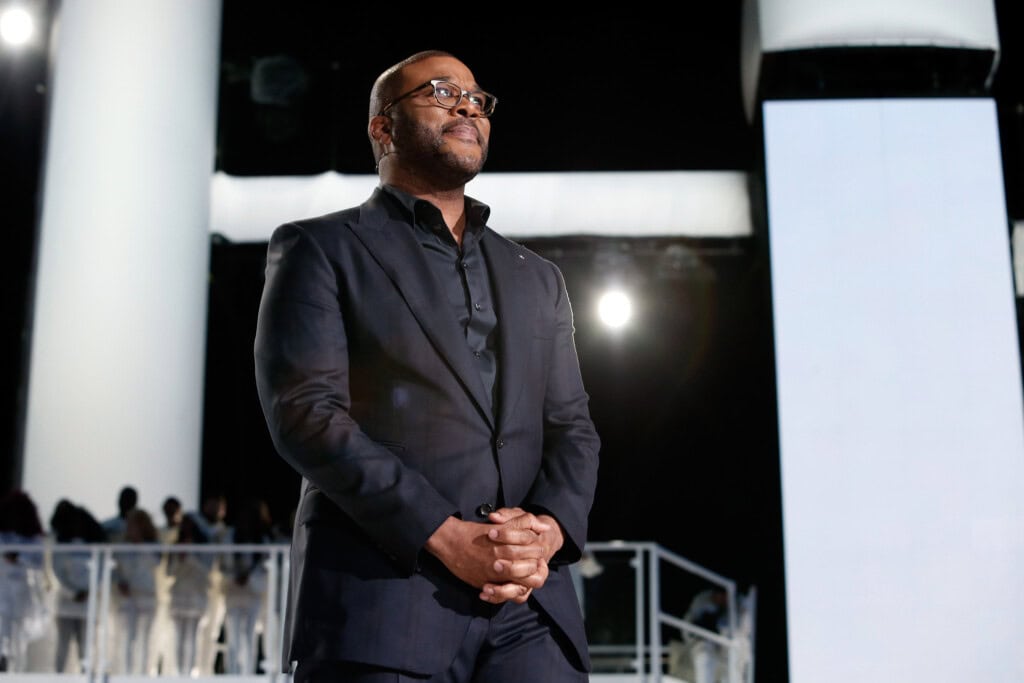
2026 Legal Implications: The Power of the “Cordial Survivor” Defense
As of March 2026, the Perry cases are setting a new standard for how courts interpret post-assault communications. Legal experts are watching whether judges will allow the “cordial survivor” argument—the idea that a victim might remain friendly with a powerful abuser to protect their career—to reach a jury.
Key trends we are tracking in these 2026 proceedings include:
- Digital Contextualization: Much like the Laura Loomer social media litigation, these cases depend on the entirety of a digital conversation rather than isolated snippets.
- Lionsgate Liability: The Rodriguez suit also names Lionsgate as a defendant, alleging the studio “turned a blind eye” to Perry’s conduct. A ruling here could expand the liability of film distributors for the actions of independent producers.
- Jurisdictional Battles: The movement of the Dixon case to Georgia is seen as a tactical win for Perry, as Georgia’s laws regarding workplace harassment and statute of limitations differ from California’s more plaintiff-friendly environment.
Advice for Professionals in High-Stakes Industries
In the 2026 workplace, digital hygiene is essential for both employers and employees. Attorneys at K. Hoffman Law recommend:
- Keep Work and Personal Separate: Avoid using personal text messages for casting, compensation, or creative feedback. Use official production email channels.
- Preserve Unedited Logs: If you are involved in a dispute, do not delete messages. Use third-party apps to export complete, timestamped threads to ensure the “context” of the conversation is preserved.
- Be Wary of “Gratitude” Traps: For survivors, maintaining a friendly digital facade for career safety can complicate future legal claims, making immediate documentation and reporting a safer long-term strategy.
Conclusion: The Jury’s Digital Dilemma
As of March 11, 2026, the Tyler Perry lawsuits remain the most talked-about celebrity legal battles in the country. While Perry remains “presumed innocent” and continues to expand his studio empire, the conflicting text messages in the Dixon and Rodriguez cases present a complex puzzle for any future jury. For the team at K. Hoffman Law, these cases prove that in the modern legal area, a single text message can be worth millions—or be the key to a total dismissal.