ZOA Energy “0 Preservatives” Lawsuit: Inside the $3 Million Settlement
In the highly competitive “clean energy” market, branding is everything. When ZOA Energy—the lifestyle brand co-founded by global superstar Dwayne “The Rock” Johnson—launched its line of beverages, it heavily marketed a “0 Preservatives” claim to appeal to health-conscious consumers. However, a significant legal challenge in 2025 and 2026 has forced the company to defend its labeling practices. The ZOA Energy “0 Preservatives” Lawsuit (Gershzon v. ZOA Energy LLC) ultimately resulted in a $3 million settlement, highlighting the increasing legal scrutiny surrounding natural food claims.
The Core of the Dispute: Ascorbic and Citric Acid
The class action lawsuit, filed in the U.S. District Court for the Southern District of New York, alleged that ZOA’s “0 Preservatives” labeling was false and misleading. The plaintiffs pointed to the presence of two specific ingredients: **Citric Acid** and **Ascorbic Acid** (Vitamin C). While these are common ingredients in energy drinks, the FDA classifies them as chemical preservatives when they are used to prevent spoilage or oxidation in a product.
ZOA Energy argued that these ingredients were added solely for flavor and nutritional fortification rather than as preservatives. However, the legal standard often hinges on the *function* the ingredient performs within the beverage, regardless of the manufacturer’s stated intent. This gap between marketing language and scientific application is a recurring theme in modern consumer litigation, much like the transparency issues raised in the JustFab VIP membership lawsuit, where consumers alleged they were misled by the true nature of their financial commitments.
The $3 Million Settlement Agreement
To avoid the mounting costs and public relations risks of a protracted trial, ZOA Energy entered into a settlement agreement in late 2025. The company agreed to pay $3 million into a fund to compensate consumers who purchased the drinks between March 2021 and November 2025. Crucially, as part of the settlement, ZOA also agreed to remove the “0 Preservatives” claim from its packaging and marketing materials. This shift toward total transparency is similar to the requirements seen in the Amazon Class Action Lawsuit 2025, where algorithmic and marketing transparency were the primary demands of the plaintiffs.
2026 Update: Distribution of Funds
As of March 2026, the settlement process has reached the distribution phase. Following a final approval hearing, the claims administrator has begun processing payments for eligible class members. Consumers who provided a proof of purchase were eligible for up to $150 per household, while those without receipts could claim a smaller flat fee. This administrative complexity mirrors the hurdles found in the Oklahoma undocumented student tuition case, where shifting legal definitions directly impact the financial status of large groups of people.
Market Impact on “Clean Label” Products
The ZOA settlement has sent shockwaves through the energy drink industry. Many brands are now conducting “label audits” to ensure that their health-related claims—such as “natural,” “all-natural,” or “zero additives”—can withstand the scrutiny of the “reasonable consumer” test. This trend of holding brands accountable for their specific claims is also a core element of the Tesla Odometer Lawsuit, where the accuracy of digital data reported to users is being legally challenged for the first time on a massive scale.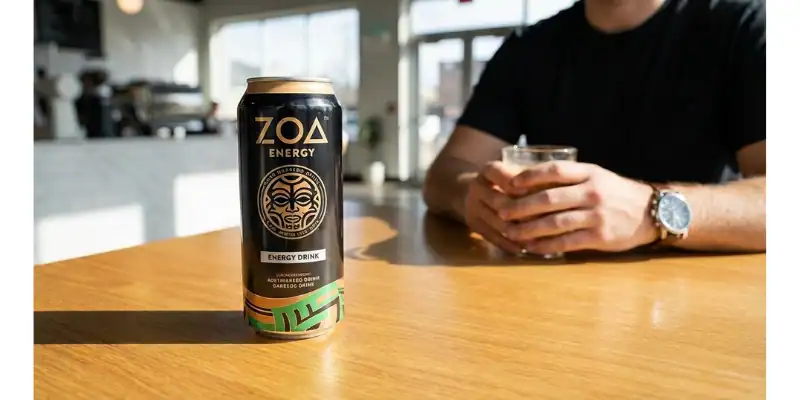
Consumer Rights and “Natural” Marketing
The ZOA Energy lawsuit serves as a cautionary tale for both brands and buyers. For consumers, it reinforces the importance of reading the ingredient list rather than relying solely on front-of-package marketing. For brands, it demonstrates that even a celebrity-backed product is not immune to the strict requirements of FDA labeling guidelines. If a product contains ingredients that *could* act as a preservative, claiming “zero” of them is a high-stakes legal gamble.
Conclusion
The ZOA Energy “0 Preservatives” settlement marks a victory for consumer transparency in the 2026 marketplace. While the company continues to thrive under its updated branding, the $3 million payout serves as a permanent record of the importance of accuracy in advertising. As we move forward, the “clean label” movement will likely become even more regulated, ensuring that when a product says “0,” it truly means zero. This case, along with others like the Ronald Lewis Ohio contractor lawsuit, underscores a growing legal environment where “buyer beware” is being replaced by “seller be honest.”