
Dank Demoss v. Lyft Lawsuit: 2026 Settlement Status and Legal Impact
The high-profile legal battle involving Detroit rapper Dank Demoss (legal name Dajua Blanding) and the rideshare giant Lyft has reached a definitive resolution. While early social media rumors suggested the case was “laughed out of court” due to the physical constraints of the vehicle involved, official legal updates from late 2025 and early 2026 confirm that the parties reached a settlement. This case has become a landmark reference point for the intersection of personal safety, corporate policy, and civil rights in the gig economy.
The lawsuit originated in January 2025 after a viral video showed a Lyft driver in a Mercedes-Benz sedan refusing to pick up Demoss, who weighs approximately 500 pounds. The driver claimed she would not fit and that his vehicle’s tires could not support her weight, sparking a nationwide debate on safety versus discrimination. The incident occurred as Demoss was attempting to travel from her home in Detroit to a football watch party at her cousin’s house—a trip she never completed after being left stranded on the sidewalk.
The Legal Foundation: Michigan’s Elliott-Larsen Civil Rights Act
Demoss filed a multi-million dollar lawsuit in Michigan, specifically citing the Elliott-Larsen Civil Rights Act (ELCRA). This move was a strategic utilization of Michigan’s unique legal landscape. Michigan is one of the only states in the U.S. where weight is explicitly listed as a protected characteristic against discrimination in public accommodations, employment, and housing. Under this statute, refusing service based on weight is treated with the same legal severity as refusing service based on race, religion, or national origin.
- Plaintiff’s Argument: Demoss and her legal team at Marko Law, PLLC, argued that being denied a ride based on size is legally indistinguishable from any other form of bias. They contended that the driver’s actions—locking the doors and driving away—caused significant humiliation, mental anguish, and emotional distress. Her attorneys noted that Dank Demoss had ridden in similar sedan models previously without incident, suggesting the driver’s refusal was based on personal bias rather than mechanical necessity.
- Defense Argument: While Lyft officially condemns all forms of discrimination, the legal defense highlighted the driver’s concerns regarding vehicle safety and equipment limits. The driver in the video claimed his “tires were not capable of supporting the weight.” From a technical perspective, the defense argued that exceeding a vehicle’s Gross Vehicle Weight Rating (GVWR) can lead to mechanical failure, suspension damage, or unsafe braking distances. Ensuring technical safety standards and structural integrity remains a primary defense in automotive-related litigation.
The 2026 Settlement: A Victory for Inclusion
Contrary to the viral narrative that “Dank Demoss lost her lawsuit,” the case ended in a success for the rapper through an out-of-court agreement. In late 2025, legal representatives confirmed that Lyft settled with Dajua Blanding for an undisclosed amount. As of March 2026, the case is officially closed, and the settlement has been finalized, ending over a year of intense litigation and public debate.
The settlement highlights a significant shift in how rideshare companies must navigate commercial transparency and inclusion. While the exact financial payout remains confidential due to a non-disclosure agreement (NDA), the “prevail” status of the case has encouraged other states to consider similar legislative protections. For Demoss, the case was never just about the money; it was about forcing a global tech company to acknowledge the dignity of plus-size passengers who pay for the same services as everyone else.
Societal Impact and Policy Changes
The Dank Demoss Lyft lawsuit has sparked more than just a legal payout. It has forced the rideshare industry to re-evaluate how it communicates with both drivers and passengers. One of the major outcomes of the 2026 legal cycle has been the discussion around “all-in” service transparency. Legal experts argue that if a vehicle cannot accommodate a passenger, the burden of information should be on the platform, not the individual being left on the street. This involves better integrated design models within the app to ensure that vehicle capacity and passenger needs are matched before a driver ever arrives.
Furthermore, the case has fueled a movement among civil rights advocates to expand the ELCRA protections nationwide. Currently, outside of Michigan and a few specific cities like San Francisco and New York City, weight is not a protected class in most of the United States. Dank Demoss has used her platform as an indie label owner and rapper to advocate for “Equal Rides for All,” pushing for federal legislation that would prevent gig-economy workers from using physical appearance as a reason to deny service.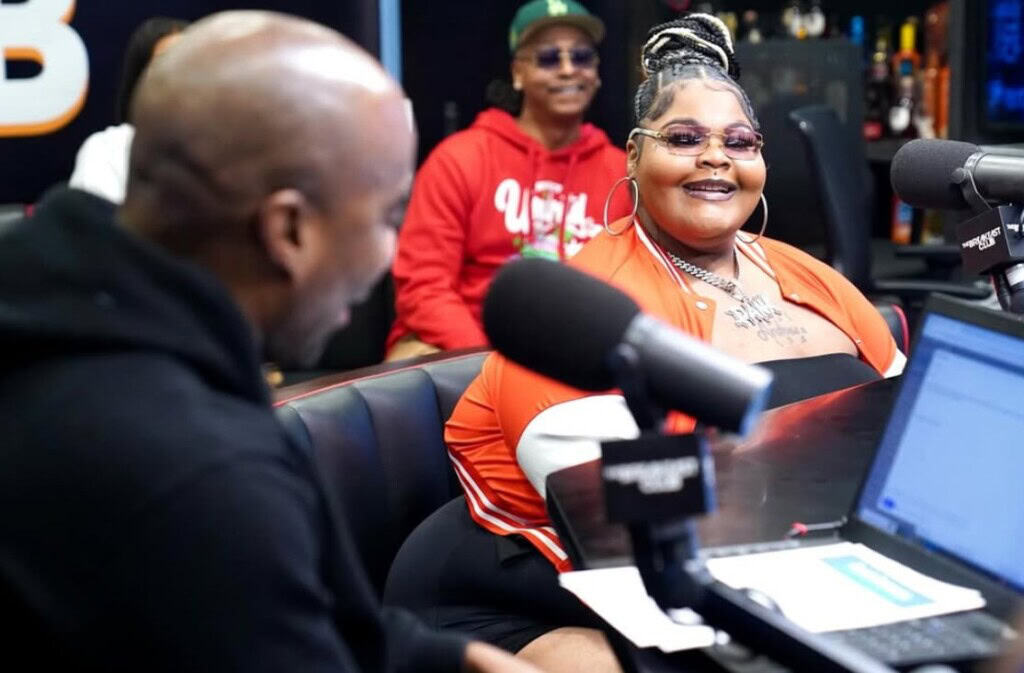
Conclusion: The Future of Consumer Protection
The Dank Demoss v. Lyft settlement serves as a landmark example of the intersection between civil rights and corporate policy in the modern age. While the settlement brings personal closure for the Detroit rapper, the broader discussion regarding standardized safety protocols for diverse body types in rideshare vehicles continues to evolve. As companies like Lyft and Uber continue to dominate urban transportation, the precedent set by this case ensures that “safety” cannot be used as a hollow excuse for discriminatory behavior.
For those following automotive and civil rights litigation, the Demoss case is a reminder that the law is slowly catching up to the realities of the 21st-century gig economy. Staying informed on these legal developments is essential for understanding the future of consumer protection and corporate accountability. As we move further into 2026, the industry remains under a microscope, with regulators looking to ensure that the “Mayor of Flavortown” or a Detroit rapper receives the same level of respect and service as any other customer.