North Myrtle Beach Wakeboarding Lawsuit: Safety Negligence & Legal Updates
The coastal waters of North Myrtle Beach have long been a hub for water sports, but recent litigation has brought the safety standards of local wakeboarding and cable park facilities under intense legal scrutiny. The most prominent North Myrtle Beach wakeboarding lawsuit involves allegations of gross negligence, inadequate staff training, and equipment failure at popular regional attractions. As of 2026, these cases are shaping the future of liability waivers and safety protocols for the South Carolina tourism industry.
Litigation in this sector typically centers on Shark Wake Park and similar cable-based wakeboarding facilities. Unlike traditional boat wakeboarding, these parks use high-speed overhead cable systems to pull riders across obstacles, which plaintiffs argue introduces unique mechanical risks that are often downplayed during the participant check-in process.
The Core Allegations: Mechanical Failure and Lack of Supervision
The primary complaints in recent North Myrtle Beach personal injury lawsuits involving wakeboarding focus on the “duty of care” owed to both novice and experienced riders. Legal filings from 2024 through 2026 highlight several critical areas where facilities allegedly failed to protect their guests:
- Cable System Malfunctions: Allegations that overhead cable lines snapped or experienced “surges,” causing riders to be thrown violently into obstacles or shallow water.
- Inadequate Lifeguard Response: Several lawsuits contend that staff members were not properly trained in rapid-response water rescues, leading to delayed medical intervention following high-impact falls.
- Obstacle Design Flaws: Plaintiffs argue that floating ramps and “kickers” were improperly anchored or maintained, creating jagged edges or unstable surfaces that caused severe lacerations and bone fractures.
In many of these cases, the defense relies heavily on signed liability waivers. However, South Carolina courts have increasingly scrutinized these documents, especially in cases where “gross negligence” is alleged, as standard waivers typically do not protect a business from reckless disregard for safety.
Notable Settlements and Verdicts in Myrtle Beach Water Sports
While specific wakeboarding settlements are often kept confidential, the broader legal climate in North Myrtle Beach has seen record-breaking verdicts that signal a shift toward greater corporate accountability. For instance, in early 2026, the South Carolina Court of Appeals upheld a landmark $20.73 million verdict in a drowning case involving a local beach service, citing “reckless disregard for public safety.”
Furthermore, in 2024, a $26 million settlement was reached involving a Myrtle Beach resort after it was discovered that pool logs had been falsified and safety standards ignored. These massive payouts have set a precedent for integrated safety and construction models, forcing water sport facilities to implement more rigorous technical inspections and transparent reporting systems.
Common Injuries Cited in Wakeboarding Litigation
Due to the high speeds and technical nature of the sport, injuries reported in these lawsuits are often catastrophic, including:
- Traumatic Brain Injuries (TBI): Often resulting from collisions with obstacles or “whiplash” impacts with the water surface.
- Spinal Cord Damage: Caused by vertical compression during failed jumps or cable snaps.
- Complex Bone Fractures: Frequently occurring in the lower extremities when boots fail to release during a crash.
The Role of Technical Safety Standards in 2026
As the North Myrtle Beach wakeboarding litigation progresses through 2026, there is a growing demand for standardized mechanical inspections of cable parks. Modern legal strategies now involve expert testimony from mechanical engineers who review commercial design and construction standards to determine if a facility’s layout was inherently dangerous.
Attorneys are also investigating whether facilities utilized “aggressive marketing” to attract young children to advanced obstacles without providing the necessary one-on-one instruction required for high-speed cable riding. This shift toward “informed consent” ensures that the projected risks of the sport are clearly communicated to parents and participants before they hit the water.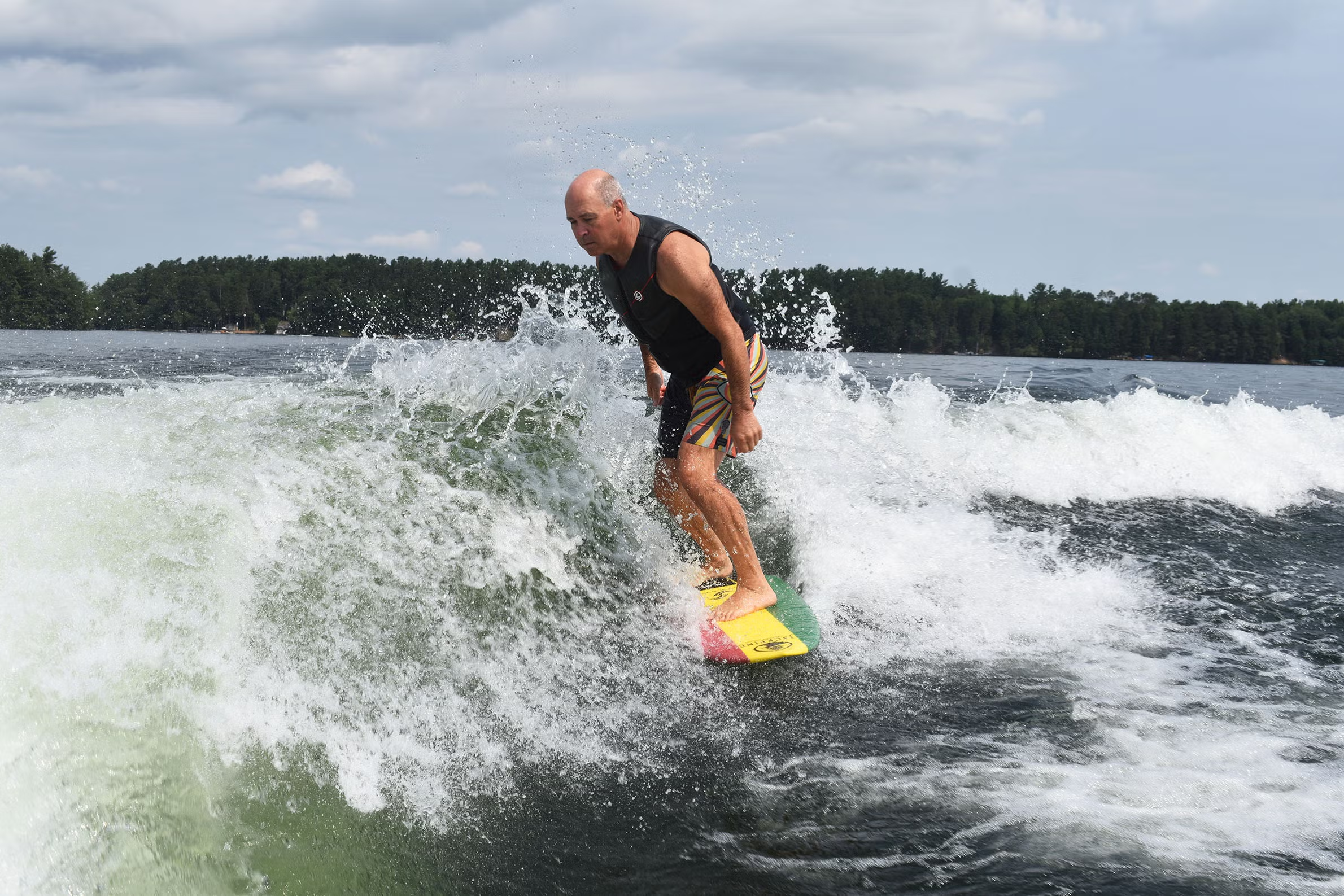
What Should Injured Riders Do?
If you or a family member has been involved in a wakeboarding accident in North Myrtle Beach, legal experts recommend the following steps to preserve your rights:
- Secure the Gear: If possible, retain the board, boots, and vest used during the incident, as equipment failure is a frequent factor in these lawsuits.
- Request Incident Reports: Demand a copy of the facility’s internal report and any video footage from the cable system’s cameras.
- Identify Witnesses: Other riders often provide the most accurate accounts of whether the cable system was behaving erratically prior to an accident.
- Review Liability Waivers: Even if you signed a waiver, consult with a professional to determine if the document meets South Carolina’s strict legal and commercial standards for enforceability.
Conclusion
The North Myrtle Beach wakeboarding lawsuit reflects a necessary evolution in the recreational tourism industry. As water sports become more extreme, the legal requirements for facility maintenance and staff training must keep pace. The ongoing litigation serves as a critical reminder that safety must always take precedence over profit, ensuring that North Myrtle Beach remains a safe destination for thrill-seekers for years to come.